Entrance doors · 3 min read
Solid vs Glazed Front Doors: Light, Privacy and Security
Glazing can transform a dark entrance, while a solid leaf offers visual privacy and a calm façade. Modern glass options mean the decision is more nuanced than choosing between light and security.
LUPOL editorial team · Published: 17 July 2026
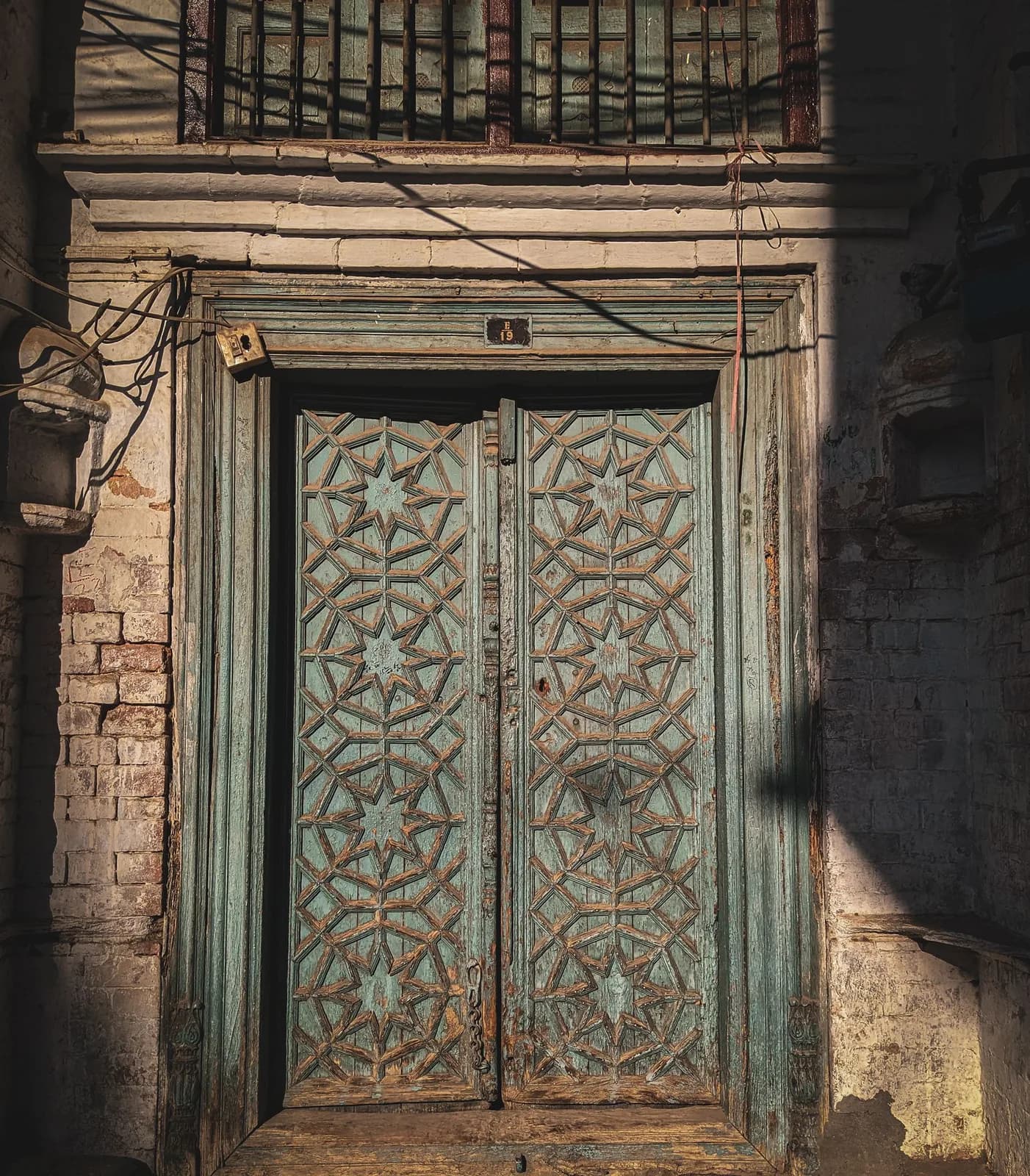
Photo: David McElwee / Pexels · source and licence
In this article
01
Assess how much daylight the entrance actually needs
A windowless vestibule can benefit from a narrow or geometric glazed panel, reducing daytime reliance on artificial light. An entrance already served by a side window may gain little from additional door glazing.
Observe the depth and finishes of the hall. A small high-transmittance panel can be more useful than a large dark or heavily obscured pane in a deep space.
02
Privacy depends on glass and sightline
Obscured, sandblasted, reflective or dark glass can limit direct views while admitting different amounts of light. Privacy changes after dark when interior lighting is stronger, so assess samples under both day and evening conditions.
Panel position matters as much as glass type. A narrow offset light can protect a direct view into living space better than a central full-height panel.
03
Thermal performance belongs to the complete door
Glazing changes the thermal path, but a high-performance unit can keep a glazed door within a demanding specification. LUPOL publishes separate Ud values for its timber profile systems and states the reference with and without glazing.
Do not assume that every solid model is warmer than every glazed model. Confirm the declared value for the selected profile, model, size and glass.
04
Specify safety and security explicitly
Door glass should use the appropriate safety construction for its position and risk. Laminated VSG is listed in the Eko Passiv 90 glazed specification, while other security upgrades must be checked in the chosen package.
A small pane does not make a door automatically secure, and a large pane does not make it automatically weak. Resistance depends on glass, retention, leaf, locks, hinges, frame and installation as one assembly.
05
Use the catalogue as a visual shortlist
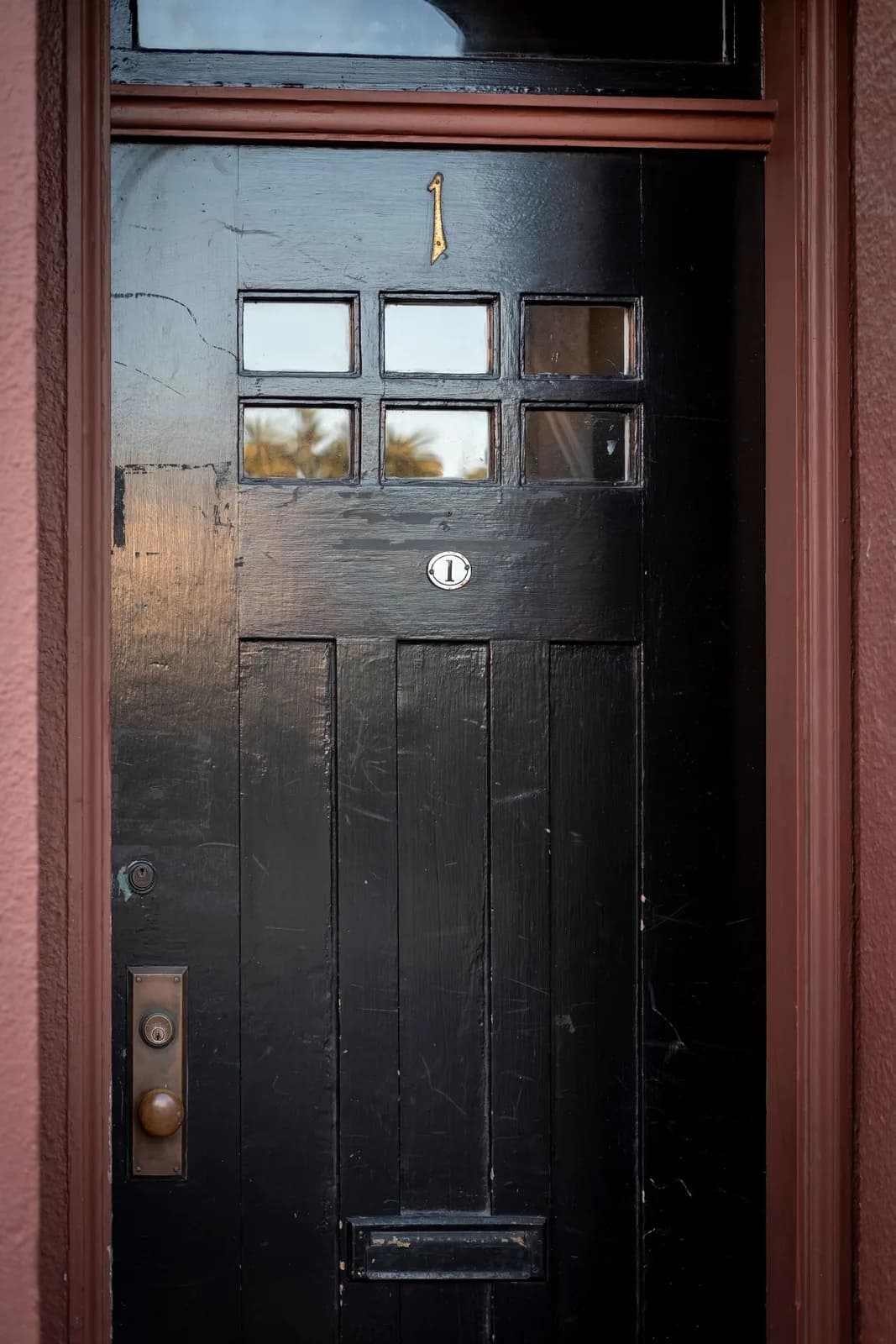
LUPOL's catalogue contains full, narrow, wide and geometric glazing layouts across modern and classic DW models. Shortlist by façade style, then compare physical glass and finish samples before ordering.
If no leaf pattern provides the right balance, a solid door with a side or top light can separate daylight from the moving leaf. This also creates a wider architectural entrance composition.
The key takeaway
Choose glazing by the hall, not only the catalogue image. Balance daylight, night-time privacy, complete-door Ud and documented safety, then approve the actual glass sample.