Entrance doors · 3 min read
Timber vs uPVC vs Aluminium Front Doors
The front door material affects character, construction limits and upkeep, but it does not decide quality alone. Compare the complete door set, its exposure and the specification available in the required size.
LUPOL editorial team · Published: 17 July 2026
Photo: Max Vakhtbovych / Pexels · source and licence
In this article
01
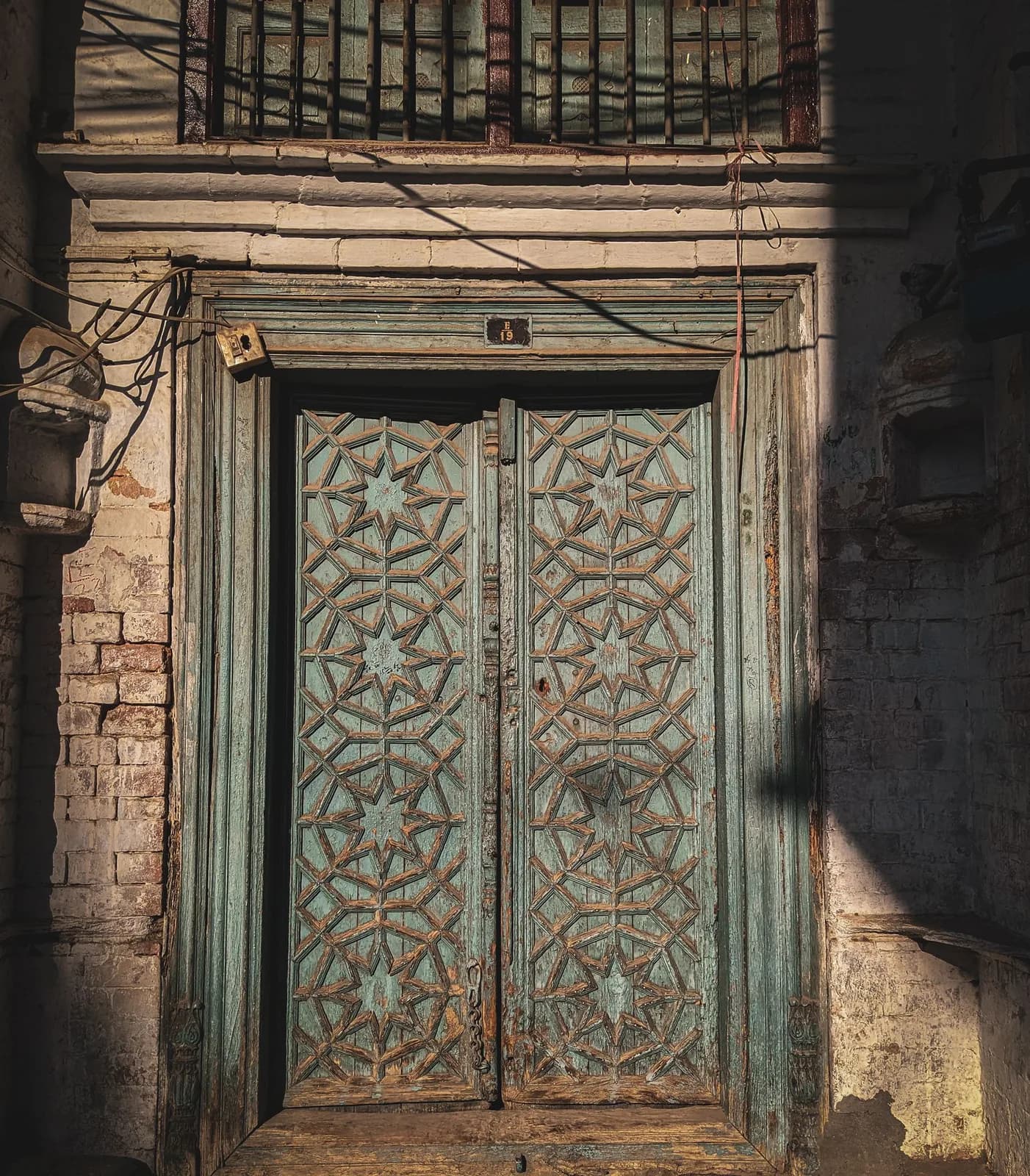
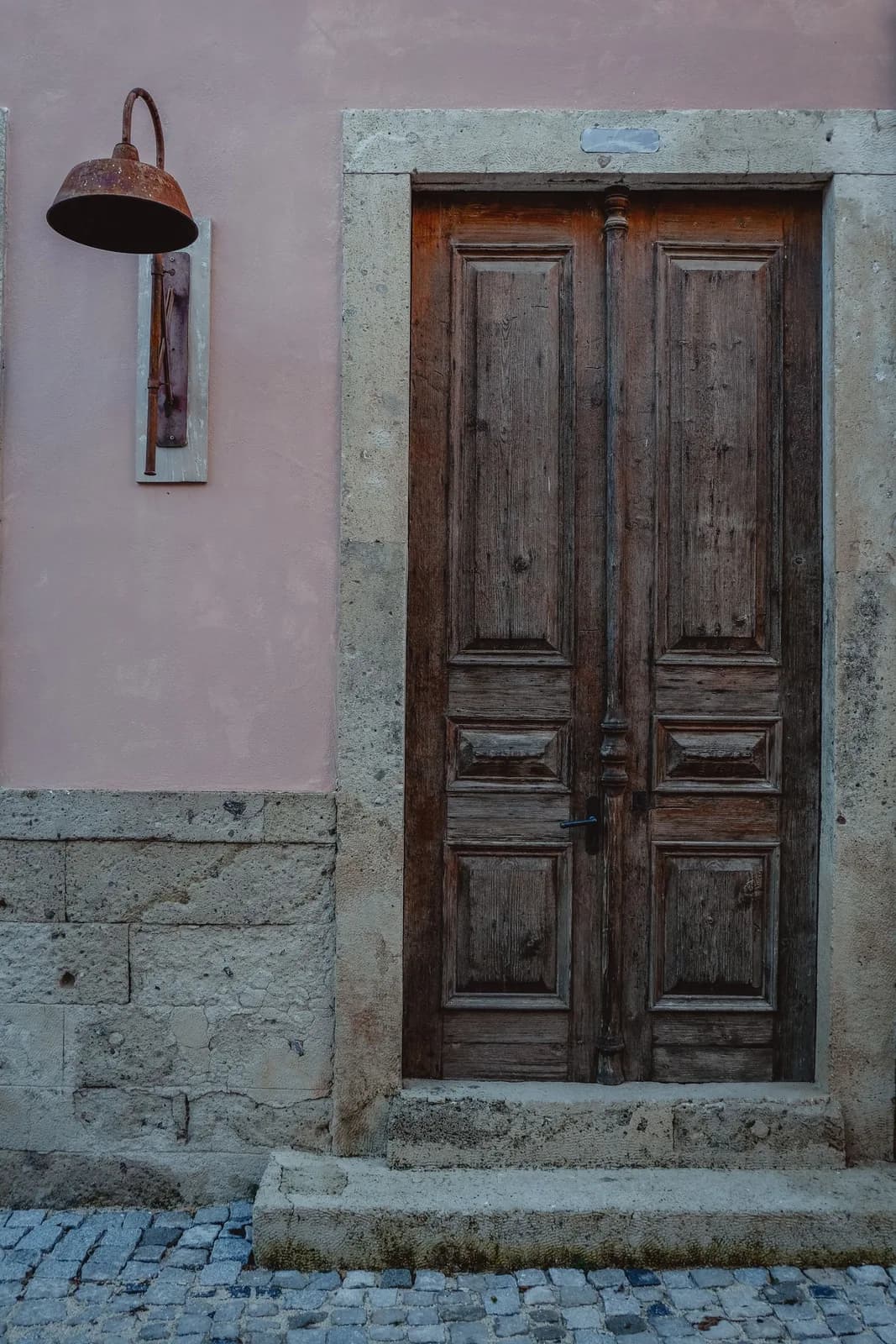
Timber brings natural variation and repairability
A timber door can show real grain and accept translucent or opaque finishes. It suits traditional entrances and contemporary façades where a warm natural surface is part of the architecture.
Its coating needs inspection and the external face should be protected according to the product requirements. Timely local maintenance is an advantage because a sound timber surface can be renewed rather than discarded.
02
uPVC focuses on insulation and straightforward upkeep
uPVC door systems offer repeatable finishes, multi-chamber profiles and low routine coating maintenance. Reinforcement, panel construction, seals and threshold details determine stability and thermal performance in the actual configuration.
Very large, dark or highly exposed leaves need system-specific dimension checks. A supplier should confirm permissible size and colour rather than treating every panel as interchangeable.
03
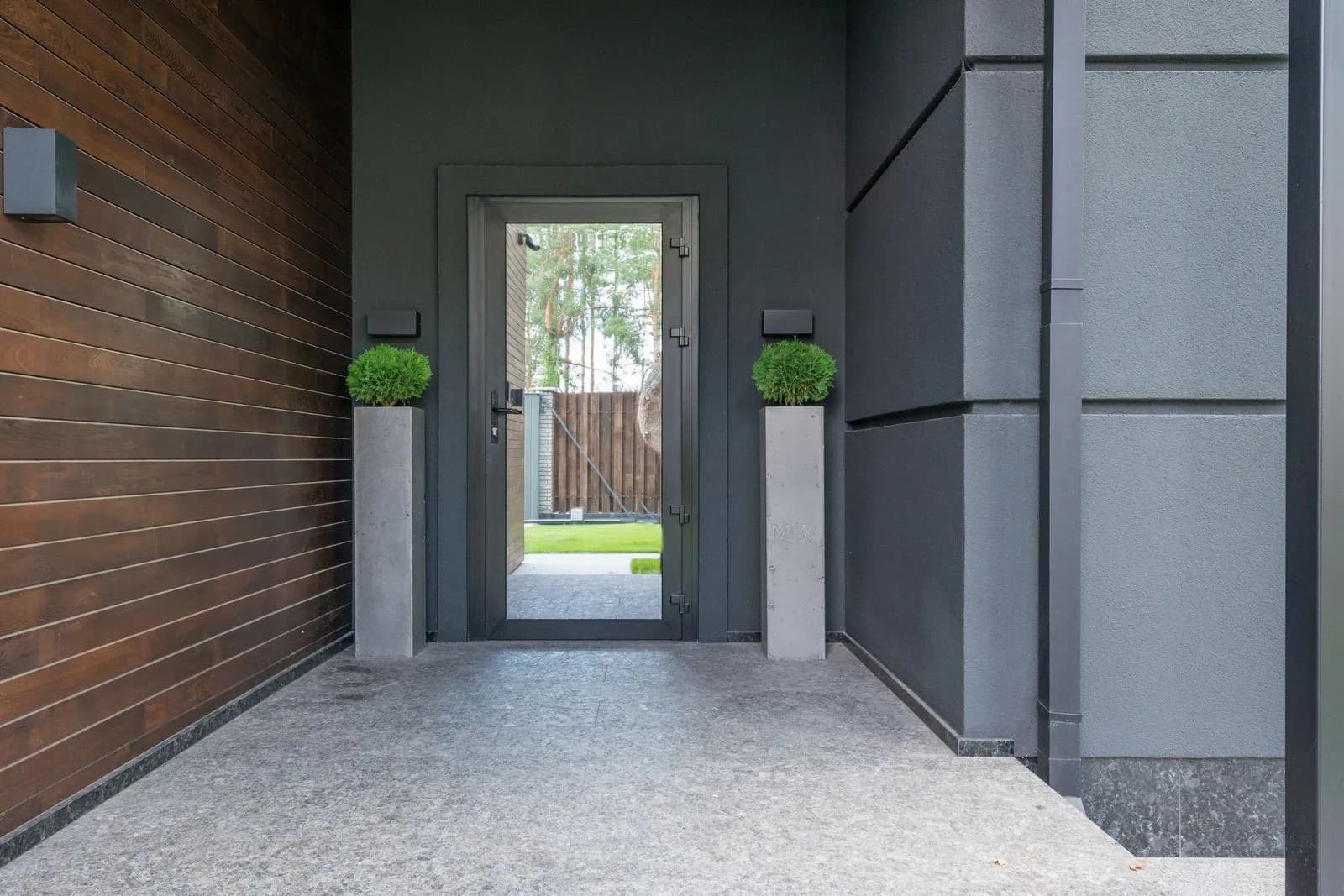
Aluminium supports slim, stable contemporary designs
Aluminium is valued for rigidity, precise sightlines and weather-resistant finishes. Thermally broken frames and insulated panels are essential when a low Ud target is required.
It is often selected for tall or visually minimal entrances, but specifications and prices vary widely. The material name alone does not guarantee insulation or a tested security class.
04
Compare the complete specification
Review Ud for the complete door, water and air performance, lock type, hinges, threshold, glazing, warranty and installation. Check whether the value applies to a full or glazed door and to the quoted dimensions.
Exposure can change the sensible choice. Driving rain, intense sun, lack of canopy and dark colour place more demand on every material and should be disclosed before ordering.
05
Choose by priorities, then compare like for like
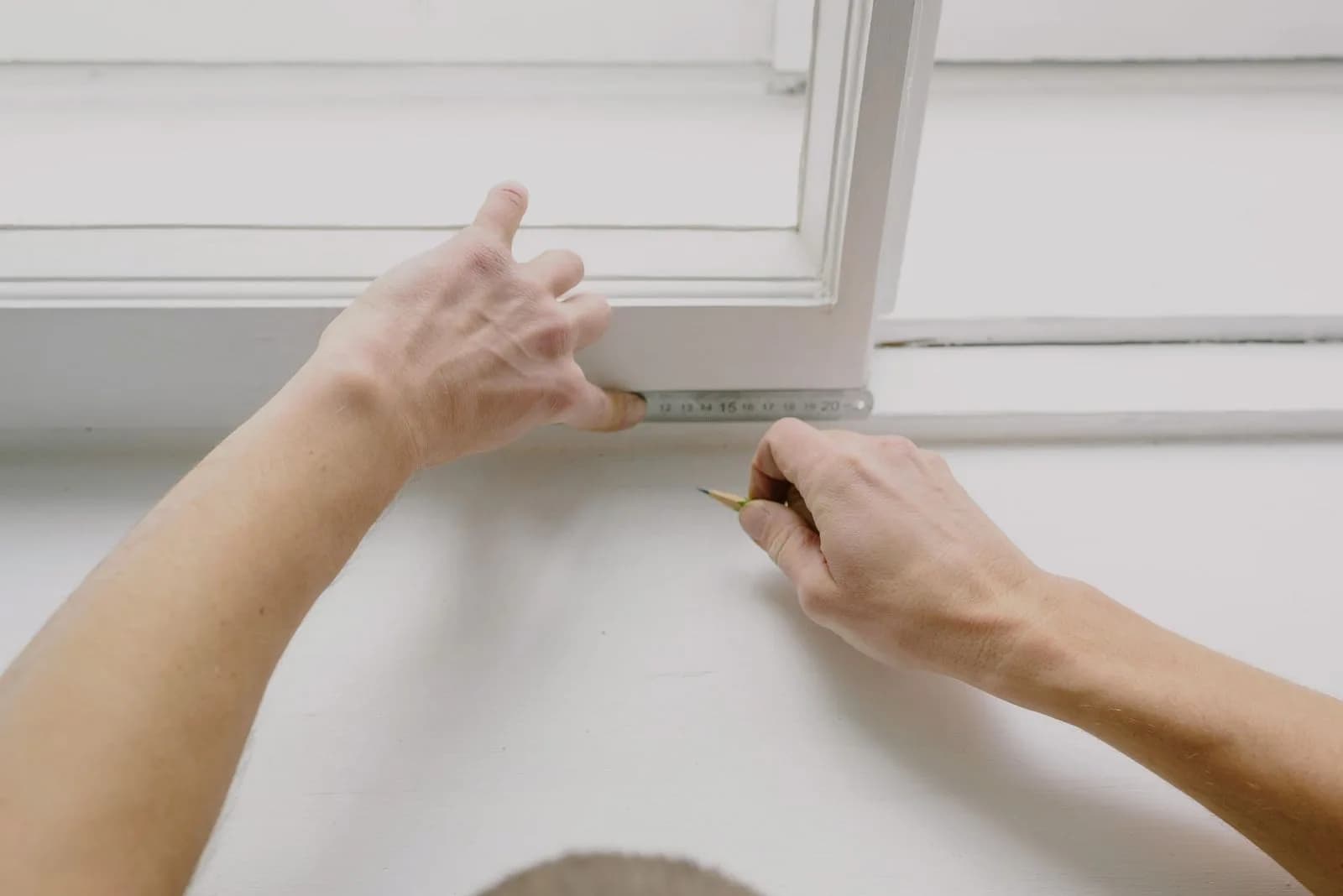
Rank natural appearance, maintenance, size, energy target, security and budget. Obtain equivalent configurations with the same glazing and installation scope instead of comparing a basic door in one material with a premium door in another.
LUPOL offers made-to-measure timber and uPVC entrance doors. A review of the opening and façade can narrow the material choice before colour, handles and sidelights are configured.
The key takeaway
Select the complete door rather than the material label. Timber, uPVC and aluminium can each be appropriate when their dimensions, exposure, performance and maintenance fit the project.