2026 trends · 5 min read
Fluted timber front doors in 2026: texture without the showroom look
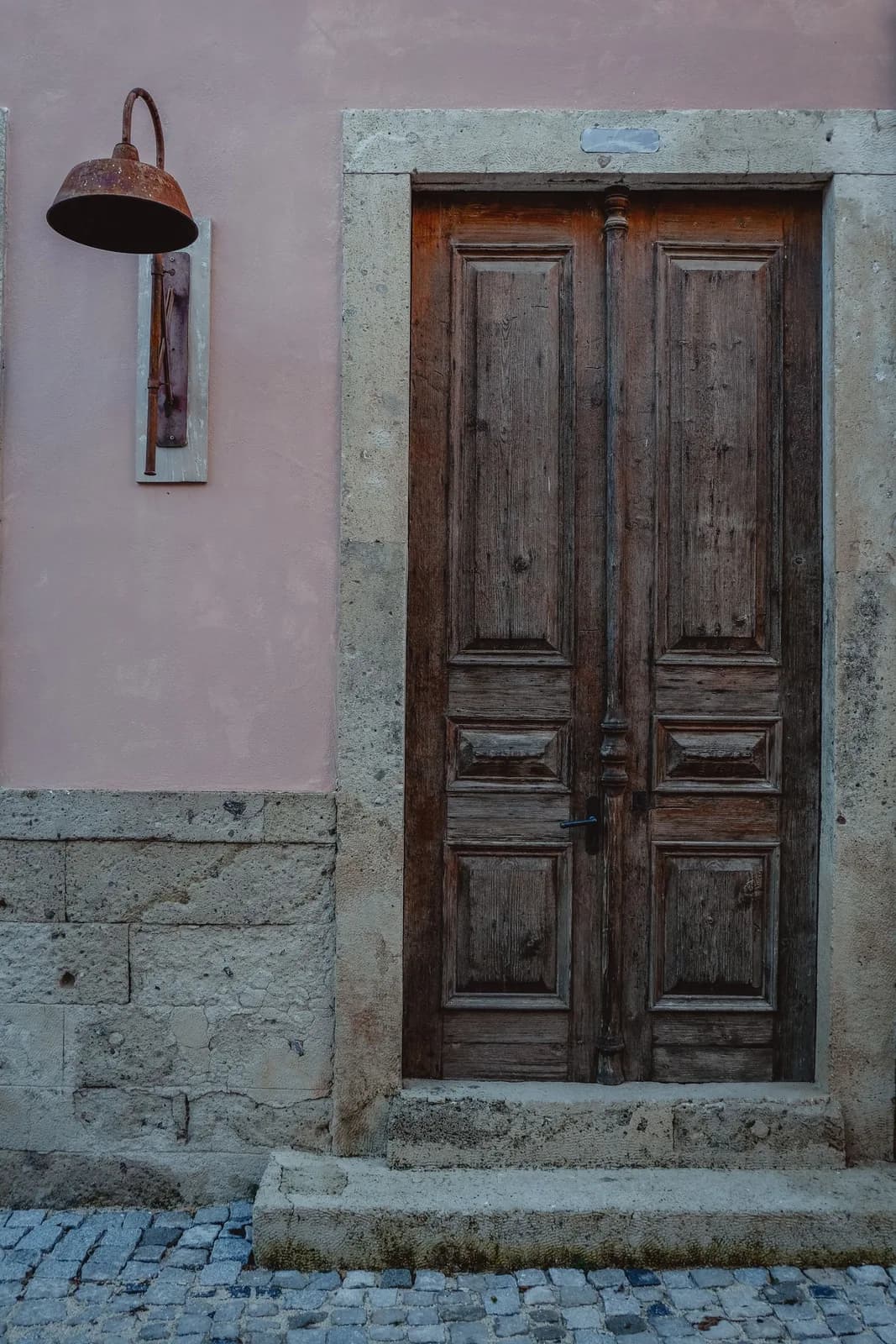
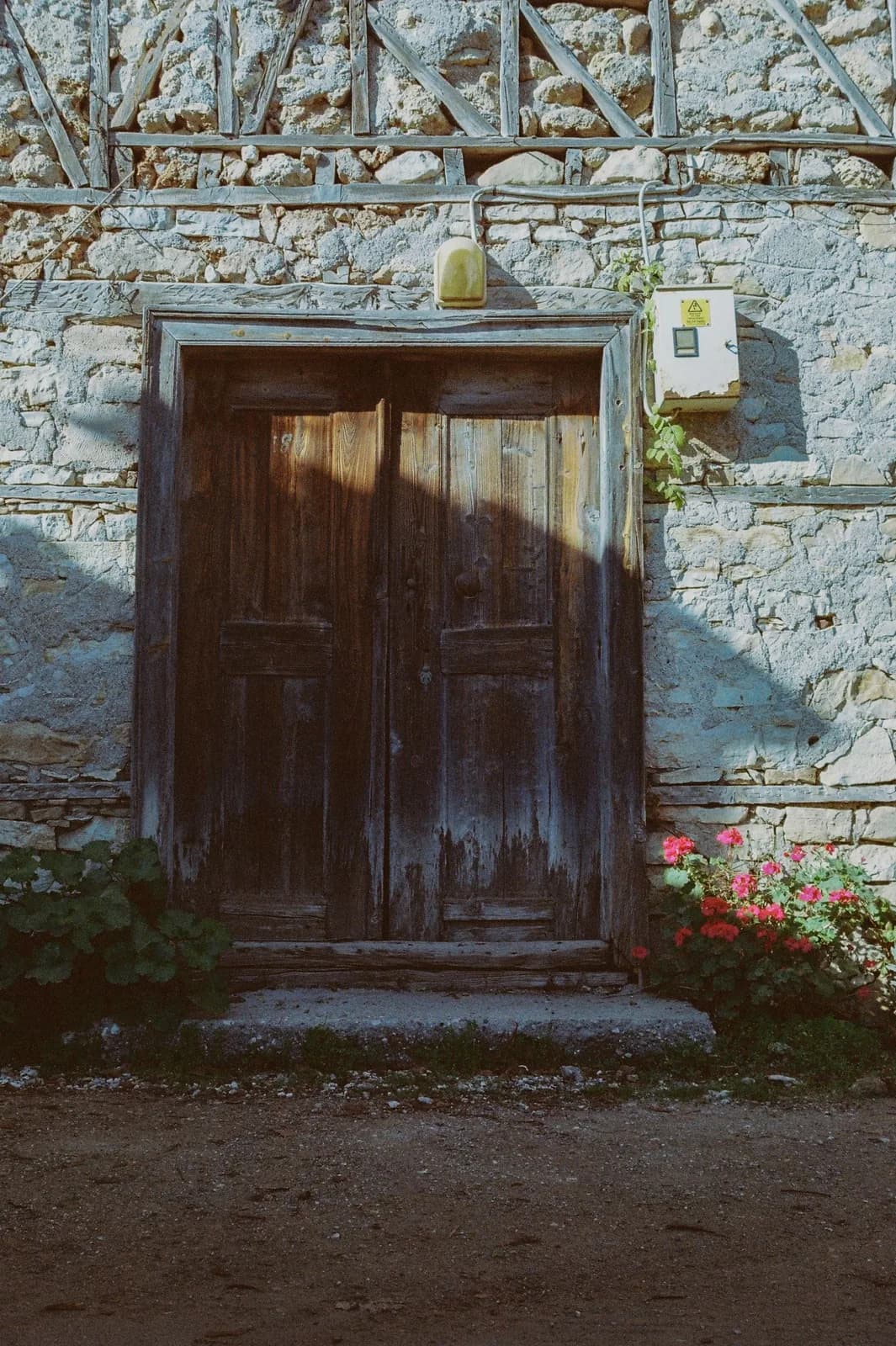
Smooth anthracite slabs have been a safe choice for years. The drawback is that many entrances now look alike. Timber texture has returned in 2026: vertical grooves, restrained routing and surfaces that reward a closer look. The pattern only works when it is drawn together with the pull handle, colour and facade.
LUPOL editorial team · Published: 8 August 2026
Photo: LUPOL / LUPOL · source and licence
In this article
- 01Grooves returned after flat entrance doors began to merge into one
- 02Vertical lines add height; diagonals demand more space
- 03Grain can lead the design or quietly support it
- 04Every groove becomes a technical detail outdoors
- 05Draw the pull handle and fingerprint reader with the pattern
- 06The catalogue starts the design; it does not finish it
01
Grooves returned after flat entrance doors began to merge into one
Current design reports repeatedly feature natural timber tones, warm minimalism and tactile surfaces. The idea works especially well at an entrance. People first see the door from several metres away, then approach the handle. Routing gives the elevation a clear rhythm at a distance while the grain provides detail up close.
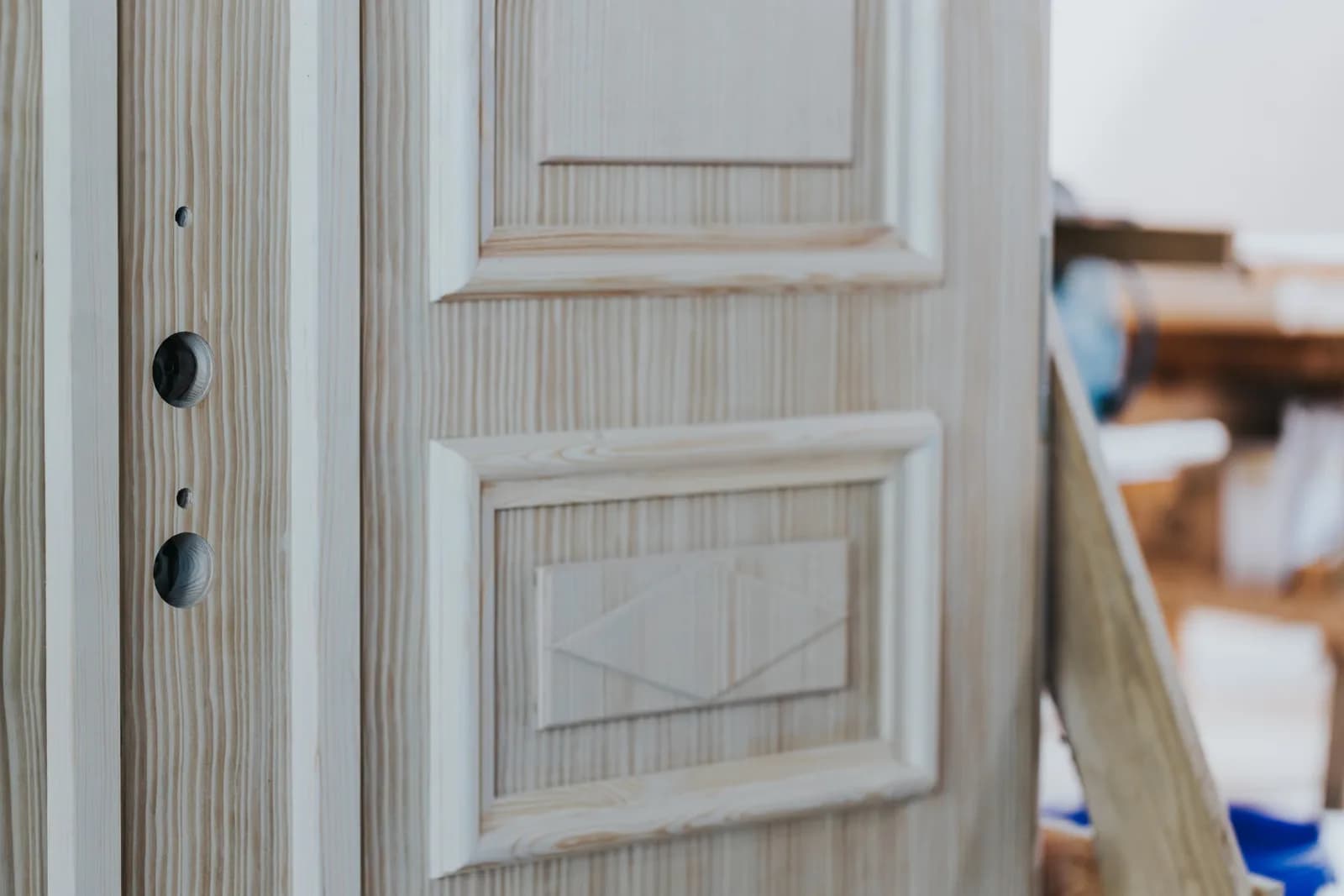
Covering every centimetre is rarely the answer. Contemporary doors tend to use one strong motif and leave enough quiet surface around it. LUPOL models DW-08, DW-46, DW-55 and DW-59 show several approaches, from close vertical lines to a smaller diagonal accent.
02
Vertical lines add height; diagonals demand more space
Vertical grooves can improve the proportions of a wide, low entrance. Horizontal routing works with long facade joints or a sectional garage door, though it can make an already broad leaf look broader. Diagonals are assertive. They may clash with a pitched roof, balustrade or strong paving pattern. Five lines can be more effective than twenty.
Place the chosen door into a photograph of the actual house, even with basic editing software. Check the frame widths, plinth and masonry joints. A small isolated product image will not show a groove ending at letterbox height or a pull handle cutting across the wrong part of the pattern.
03
Grain can lead the design or quietly support it
A translucent stain keeps the grain visible and produces a softer result. An opaque RAL finish turns the routing into a study of light and shadow. Both can feel contemporary. The difference becomes obvious in side light, when the grooves darken and a depth appears that a flat screen cannot reproduce.
In the LUPOL range, the option described as oak uses a laminated pine construction with an oak face. That detail matters when quotes are compared. Order pine and oak samples in the intended colour rather than judging from the material name. Real timber varies, and that variation is precisely why the finished door does not look printed.
04
Every groove becomes a technical detail outdoors
Routing creates extra edges that need a consistent coating. Dust settles in deeper recesses, while a badly shaped horizontal line can hold water for longer. This does not rule out the design. It calls for careful machining, a factory coating system and normal cleaning with a soft brush rather than a pressure washer.
Research and standards for exterior timber coatings treat water, ultraviolet light and exposure as basic loads. A south-west entrance with no canopy will age differently from the same door under deep shelter. Pattern, colour and the maintenance plan should reflect that difference.
05
Draw the pull handle and fingerprint reader with the pattern
A long pull can follow the grooves, balance them on the opposite side or deliberately cross their rhythm. Any of these can work when intentional. An accidental shift of a few centimetres is often more noticeable than a colour change. The same applies to the cylinder rose, spyhole and fingerprint reader.
Ask for a dimensioned drawing before production, not just a photograph of a similar model. Mark handing and a handle height that suits the household. If the entrance includes a sidelight, its lines can align with the leaf or be deliberately different. Leaving this undecided still creates a composition, usually by accident.
06
The catalogue starts the design; it does not finish it
Send three pictures with an enquiry: the whole facade, a close view of the opening and the vestibule. Add the window, garage and roof colours, plus a note on whether timber should remain visible inside. A manufacturer can then suggest a model and finish that join those elements without introducing another unrelated colour.
LUPOL makes timber entrance doors in 68, 78 and 90 mm profiles, using pine or an oak-faced option. The pattern begins with a catalogue model, while size, colour, glazing and hardware can be specified for the entrance. The strongest result is not the busiest leaf. It is the one that looks as if it always belonged to the house.
The key takeaway
Grooves are a good way to move beyond an anonymous flat leaf. Look at the complete entrance first: proportions, daylight, handle and weather exposure. Timber gives the maker room to shape this detail, and a well-chosen pattern will outlast a single season's colour trend.