Windows · 4 min read
Timber vs uPVC Windows: Which Is Right for Your Home?
Timber and uPVC can both deliver warm, secure and attractive windows. The better choice depends on the architecture, exposure, upkeep you accept and the finish you want to live with for decades.
LUPOL editorial team · Published: 17 July 2026
Photo: Ksenia Chernaya / Pexels · source and licence
In this article
01
Start with the building, not the material stereotype
A renovated period house, a contemporary new build and a rental apartment rarely need the same window. Timber brings authentic grain, depth and repairability, while uPVC offers a consistent finish and low routine maintenance. Neither material is automatically the premium or economical answer in every configuration.
Compare complete windows of a similar size, glazing specification and installation method. A strong frame fitted badly can perform worse than a more modest system installed into a prepared opening with a correctly sealed perimeter.
02
Thermal, acoustic and structural performance
Whole-window performance is expressed by Uw, not by the frame material alone. Glazing, spacers, seals, frame geometry and the ratio of glass to frame all affect the declared result. For a noisy location, the glass build-up and airtight installation usually matter more than a simple timber-versus-uPVC label.
Large, dark-coloured or highly exposed elements need particular structural checks. The supplier should confirm maximum dimensions, reinforcement, wind resistance and suitable hardware for the actual opening rather than extrapolating from a small reference window.
03
Maintenance and service life
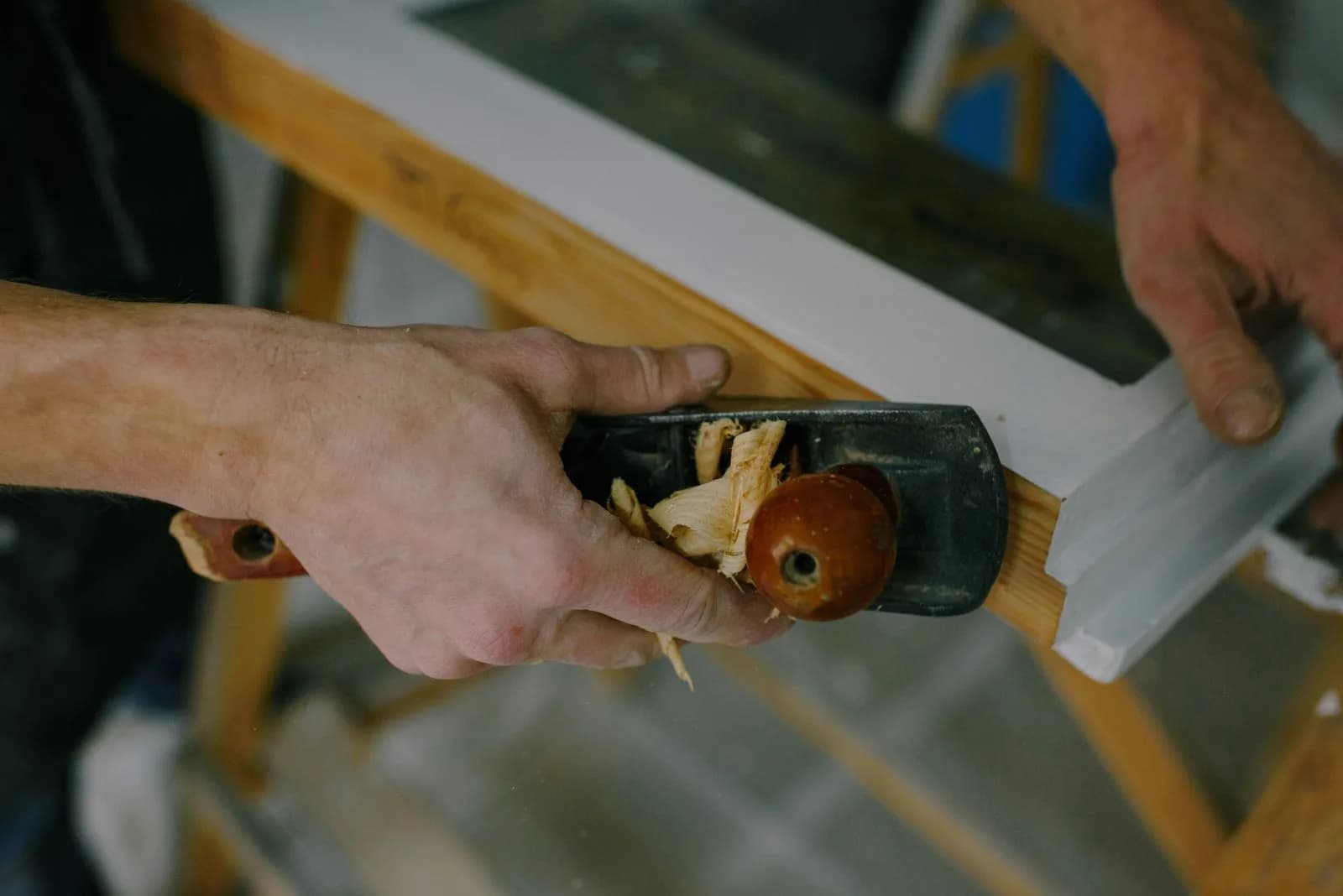
uPVC frames are generally cleaned with water and a suitable mild product; seals and hardware still need inspection and lubrication. Timber requires periodic checks of the coating, especially on weather-facing elevations, but local coating repairs can extend its useful life without replacing the whole frame.
Maintenance intervals are influenced by sun, rain, coastal air, roof overhangs and colour. Ask what the warranty requires and keep drainage channels clear in either material. Low maintenance never means no maintenance.
- Choose uPVC when predictable upkeep and cost control lead the brief.
- Choose timber when natural material, repairability and architectural character lead the brief.
- Price equivalent glazing, hardware and installation before comparing totals.
04
Colour, proportion and interior character
Timber can be finished in translucent stains that preserve the grain or opaque colours that suit traditional and modern façades. uPVC offers foils and colour options with very repeatable appearance. The best sample is a physical corner or full frame viewed beside the façade materials, not a colour on a phone screen.
Sightline is just as important as colour. A slimmer frame can bring in more daylight, while a deeper timber profile can add deliberate visual weight. Review mullions, opening divisions and handles together instead of choosing them as separate details.
05
A practical decision route
Write down the non-negotiables: target Uw, noise exposure, opening sizes, colour inside and out, maintenance expectations and planned budget. Request two like-for-like quotations and ask the adviser to explain every specification difference.
LUPOL manufactures timber and uPVC windows to measure, so the conversation can begin with the building rather than a predetermined material. A final survey should confirm the opening, installation zone and finishing details before production.
The key takeaway
Choose on verified whole-window performance, architecture and realistic upkeep. A like-for-like quotation and site survey are more useful than a generic claim that one frame material always wins.