Home and garden · 5 min read
Bird-safe windows: what actually prevents glass collisions
A bird cannot infer that reflected trees or a view through a glazed corner ends at an invisible barrier. Effective protection is not one black hawk silhouette. It makes the whole risk area visible with a dense, contrasting pattern on the exterior surface, or uses glass designed and tested for this purpose.
LUPOL editorial team · Published: 21 July 2026
Photo: Joaquin Carfagna / Pexels · source and licence
In this article
- 01Why an ordinary window can appear to be open air
- 02Exterior, dense and visible across the whole risk area
- 03One predator silhouette does not create a barrier
- 04In an existing home, start with the panes that show the risk
- 05A new design can remove traps before they are built
- 06After a collision, reduce stress and contact a wildlife specialist
01
Why an ordinary window can appear to be open air
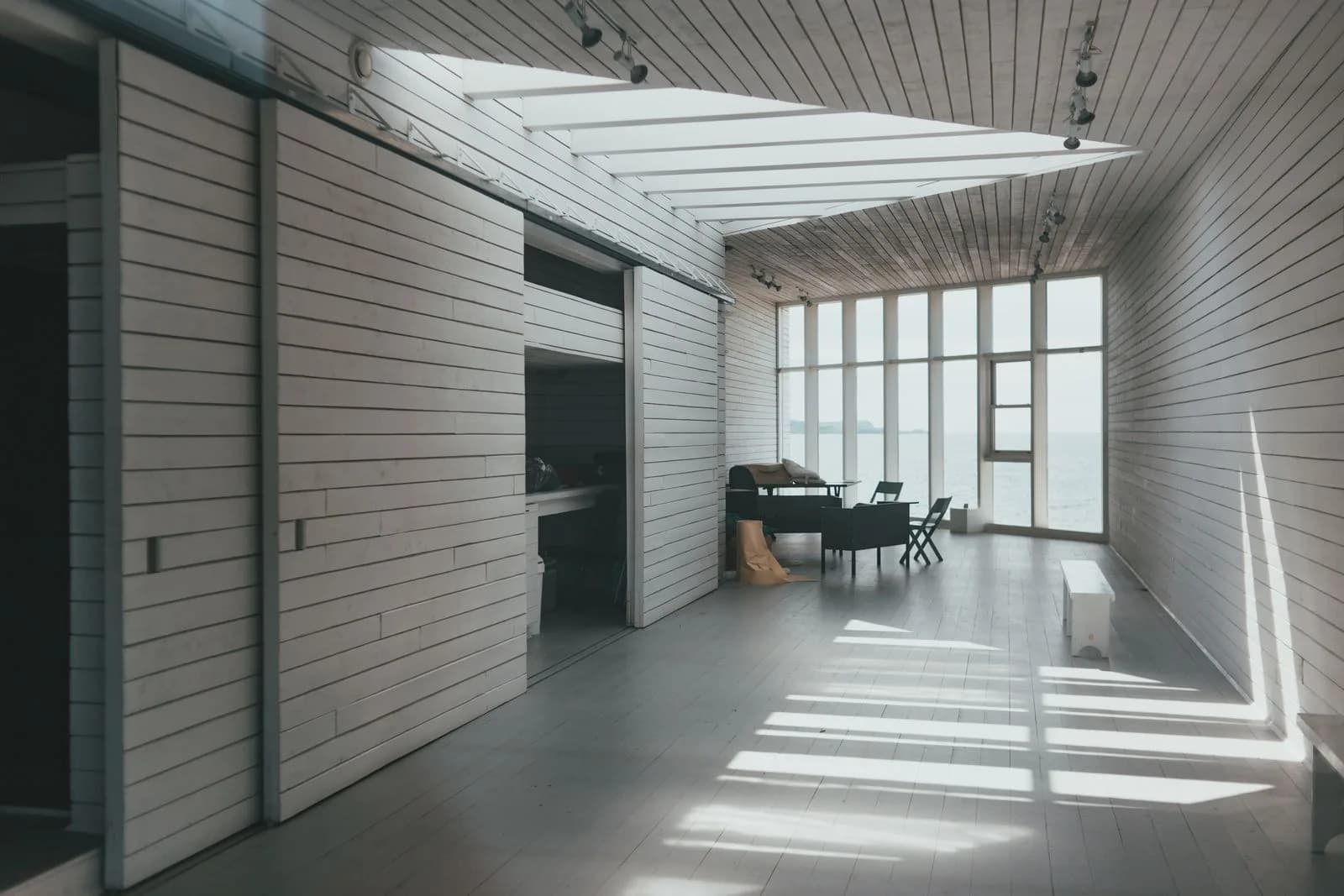
Two effects create most traps. Glass reflects sky, shrubs and trees, presenting what looks like habitat. Transparent balustrades, corner glazing or aligned windows show genuine vegetation beyond the building and resemble a clear flight path. People recognise glass from frames and architectural context; birds may direct their flight at the space they can see.
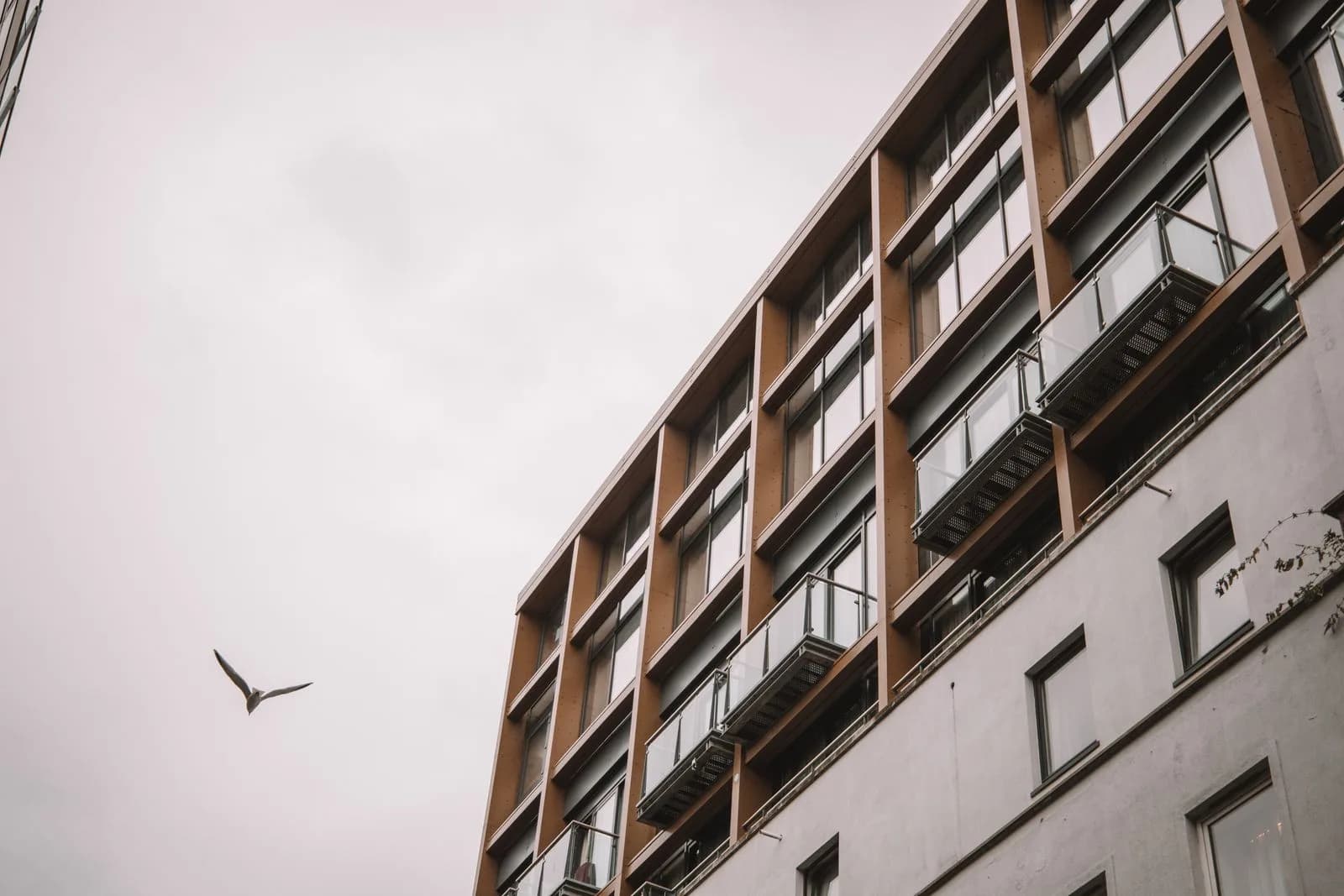
Inspect wide patio doors, winter gardens, glass corners and windows opposite a feeder or dense planting. Feather marks, repeated impacts at the same pane or birds found below the facade identify a priority location. Collisions are not limited to high-rise offices: homes and other low buildings account for a substantial share of the problem.
02
Exterior, dense and visible across the whole risk area
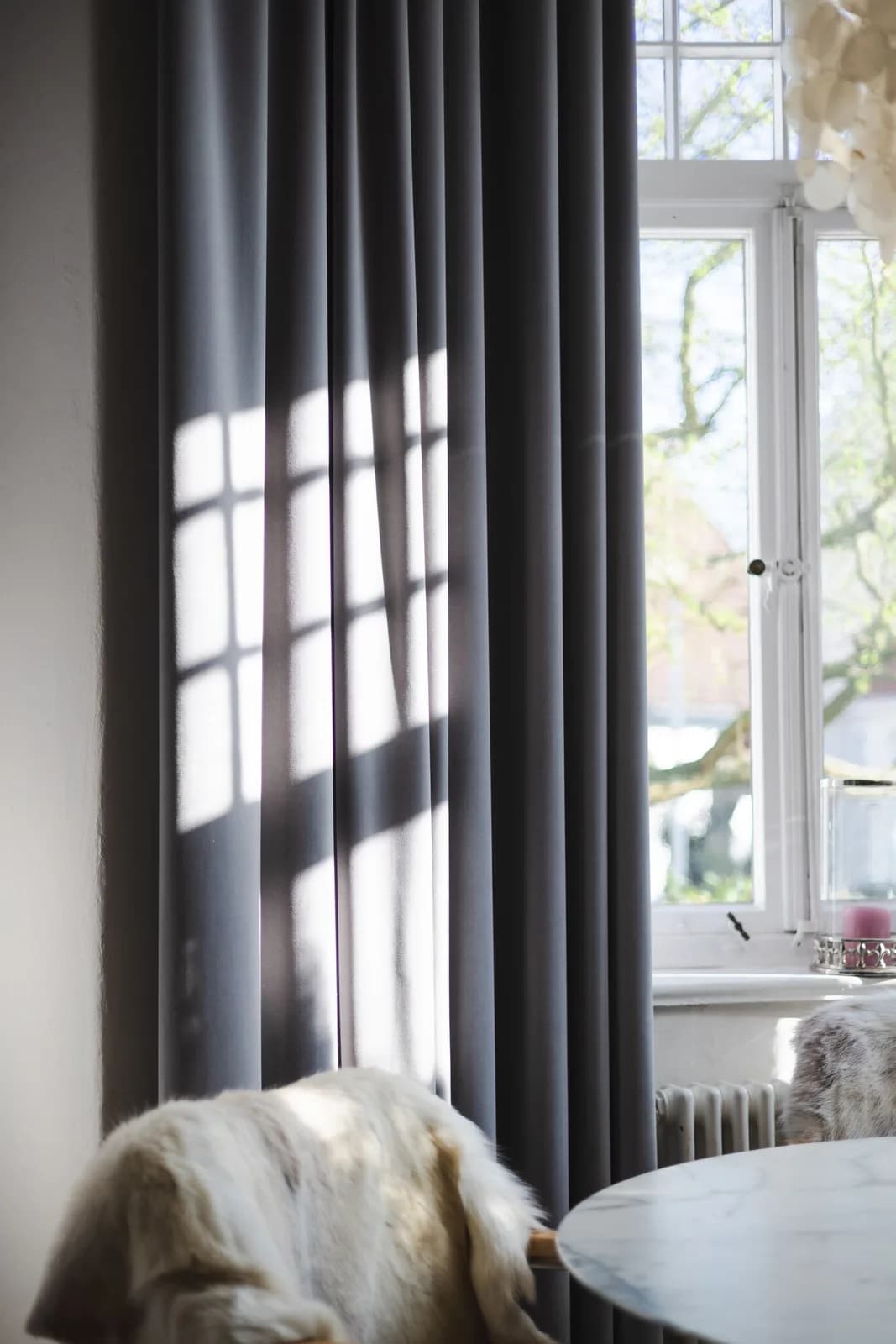
A treatment belongs on the outside because a mark placed indoors can disappear behind a reflection from the exterior glass surface. The pattern must cover the full dangerous area rather than one corner. Contrast also has to survive changes in background and daylight.
There is no universal number for every commercial product, but proven guidance is deliberately strict. The U.S. Fish and Wildlife Service describes elements spaced no more than about two inches, or five centimetres, apart vertically and horizontally, particularly to protect small birds. European guidance also supports tested dot and line arrangements with defined widths, spacing and contrast. Choose a pattern evaluated as a complete system rather than improvising from one dimension.
- place markings on the exterior glass surface
- cover the full hazardous area without large gaps
- maintain contrast against changing light and reflections
- use a tested dot, line, film, frit or screen arrangement
03
One predator silhouette does not create a barrier
A single black decal does not make a bird interpret the whole pane as a predator's territory. It can simply fly around the small mark and hit beside it. Conservation guidance warns against relying on isolated raptor silhouettes or barely visible UV claims without evidence for the exact system.
The objective is for the entire surface to read as an obstacle. A decorative grid, repeated dots, lines, external cords or a closely fitted insect screen can therefore outperform a realistic but solitary outline. A suitable treatment can remain visually restrained and coordinate with the facade; it does not need to block every view from indoors.
04
In an existing home, start with the panes that show the risk
Observe reflections at different times, then treat previous collision points first. Exterior dot film, tape, suitable glass paint, cords or a screen can reduce risk without replacing the window. The material must withstand weather, be applied correctly and remain compatible with the glazing and film manufacturer's instructions.
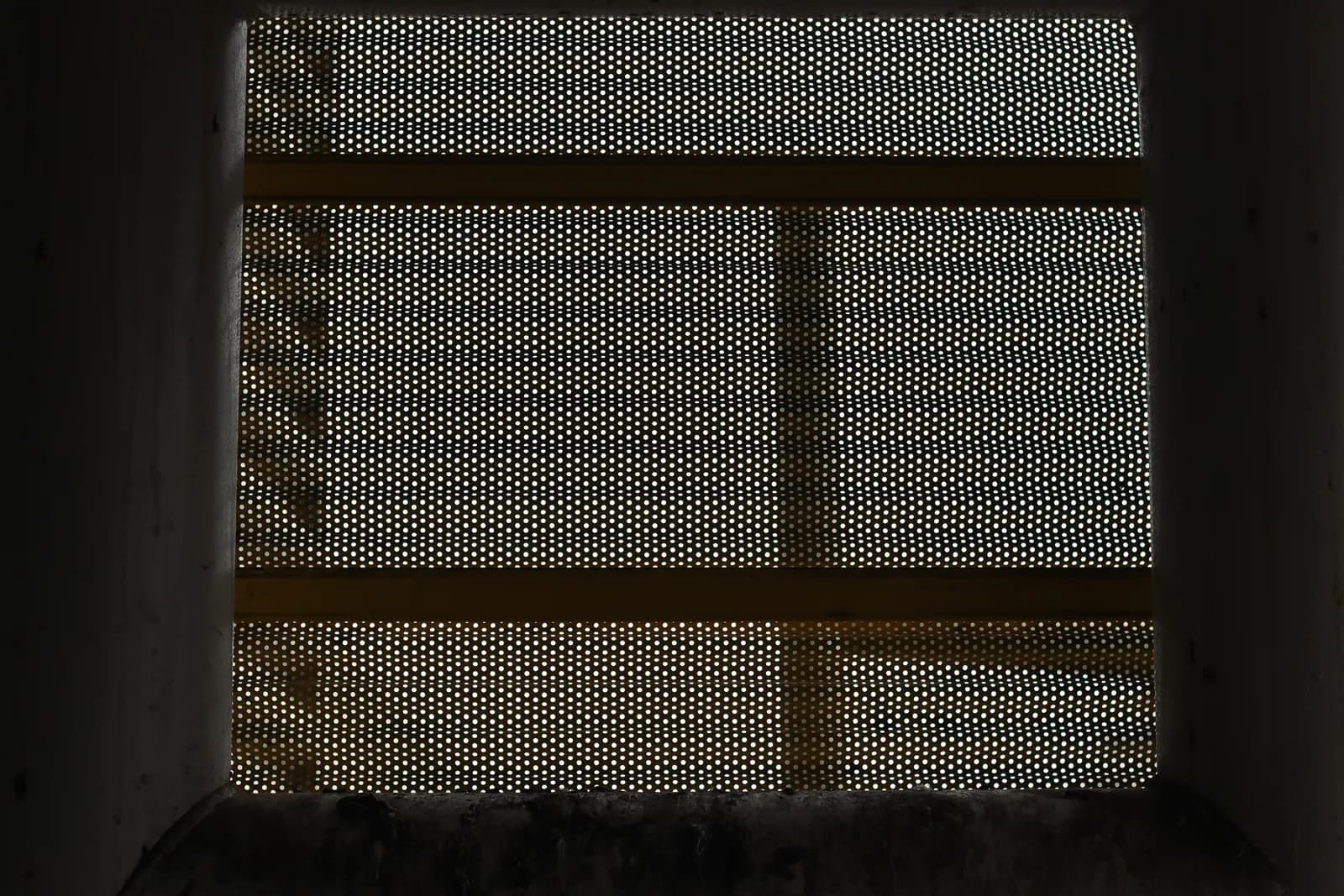
Internal blinds may reduce a view through the building and limit light escaping at night, but they do not normally remove a strong reflection on the outer surface. An external insect screen both signals the barrier and may soften an impact. Avoid improvised netting in which a bird could become entangled.
05
A new design can remove traps before they are built
At design stage, avoid transparent corners, glass corridors, clear balustrades and two large openings aligned as a visible route where practical. Where glass remains necessary, consider ceramic frit, etching, translucent areas, an independently tested integral pattern or external screening. Ask where the visible layer sits, not only whether the brochure calls the product bird friendly.
The landscape and lighting matter too. Plants reflected in a facade, attractive vegetation beyond a transparent screen and unnecessary night lighting can draw birds towards glass. Coordinate the windows, planting and light plan, especially around large garden-facing elevations.
06
After a collision, reduce stress and contact a wildlife specialist
A bird sitting still after impact may have serious internal injuries even without visible blood. Protect it from cats and traffic, do not force food or water, and contact a local wildlife rehabilitator or appropriate animal service for current instructions. Use gloves and a ventilated box only where the specialist advises that handling is appropriate.
Mark the pane temporarily straight away, then fit a durable treatment. Recording the date, time and exact glass unit helps show whether the pattern is linked to migration, a particular sun angle or seasonal vegetation reflection.
The key takeaway
Glass becomes safer when a bird perceives the whole pane as an obstacle. Dense, contrasting exterior markings or glazing with a tested pattern are effective approaches; one isolated silhouette is not.