Windows · 3 min read
Best Glazing for South-Facing Windows Without Overheating
South-facing glass can provide valuable daylight and winter heat, yet the same area may overheat in summer. Good design combines the right solar factor with external shading rather than asking glass to solve every season alone.
LUPOL editorial team · Published: 17 July 2026
Photo: Filipp Romanovski / Pexels · source and licence
In this article
01
Start with area, orientation and room use
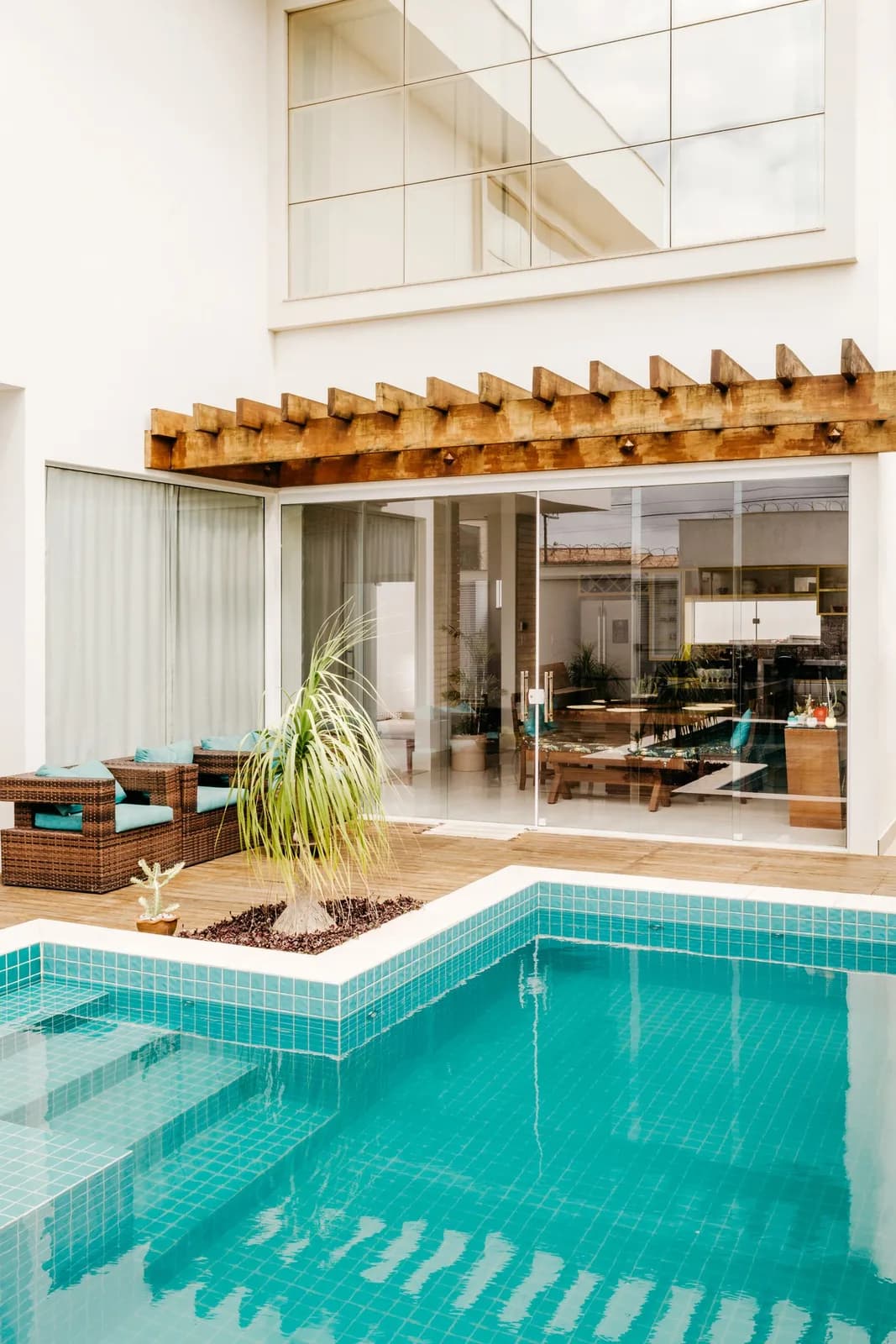
A modest kitchen window and a full-height living-room façade experience different solar loads even on the same elevation. Record exact orientation, glass area, overhangs, nearby trees and whether the room has cooling or high internal heat gains.
East and west deserve equal attention because low-angle sun can be difficult to shade. Use a room-by-room solar assessment rather than assigning one product to the whole house.
02
Read g-value and Lt together
The g-value describes total solar energy transmitted through the glass; lower values reduce solar gain. Lt describes visible light transmission. Strong solar-control coatings can lower both, so the room may become darker if the specification is overly defensive.
Ask for both figures and compare actual glass samples where tint or reflectivity matters. The best balance depends on shading and desired daylight, not on achieving the lowest possible g-value.
03
External shading is the most flexible control
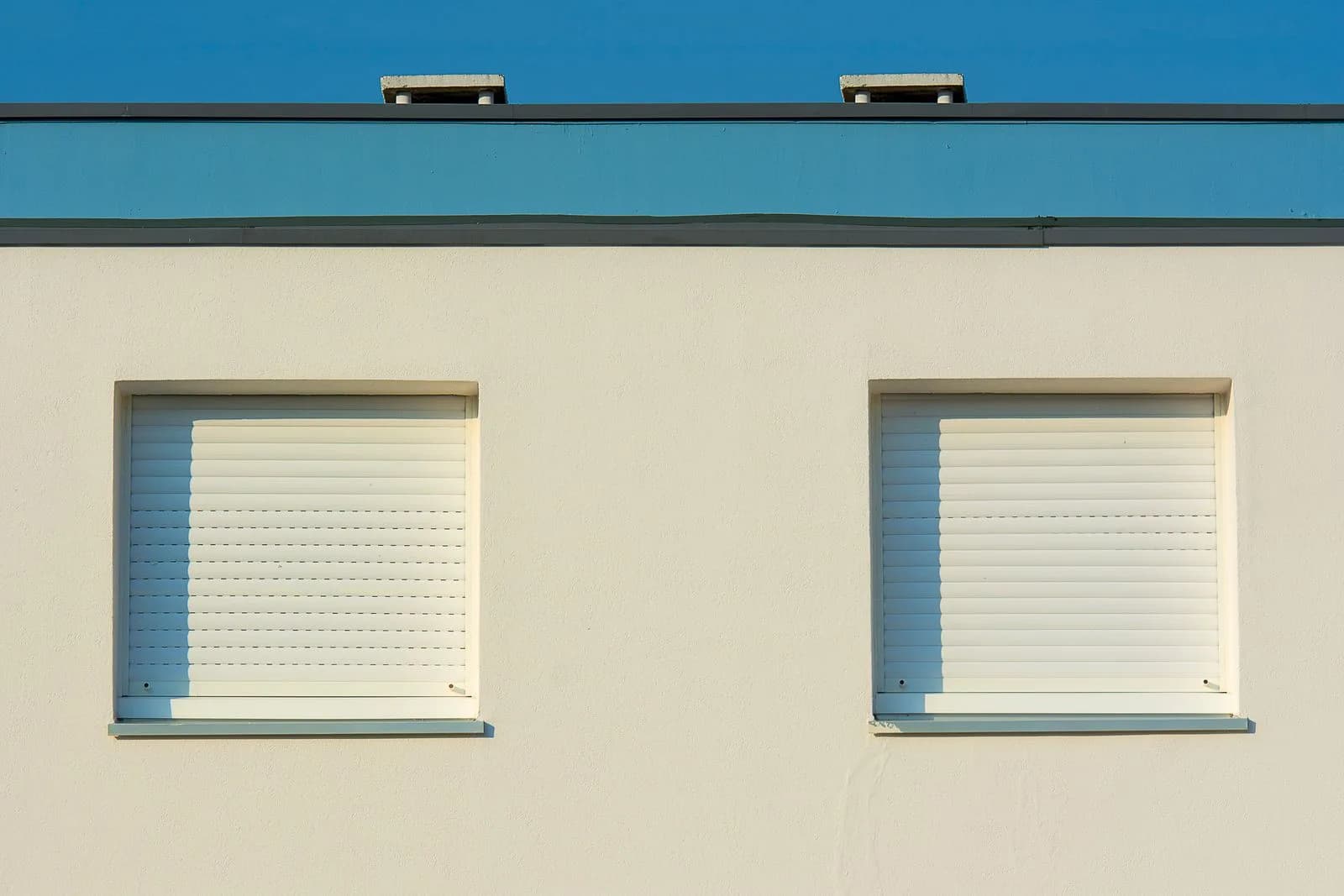
Roller shutters or other external shading intercept sunlight before it heats the inner glass and room surfaces. Automated control can respond to sun and temperature while still opening for winter gains and daylight.
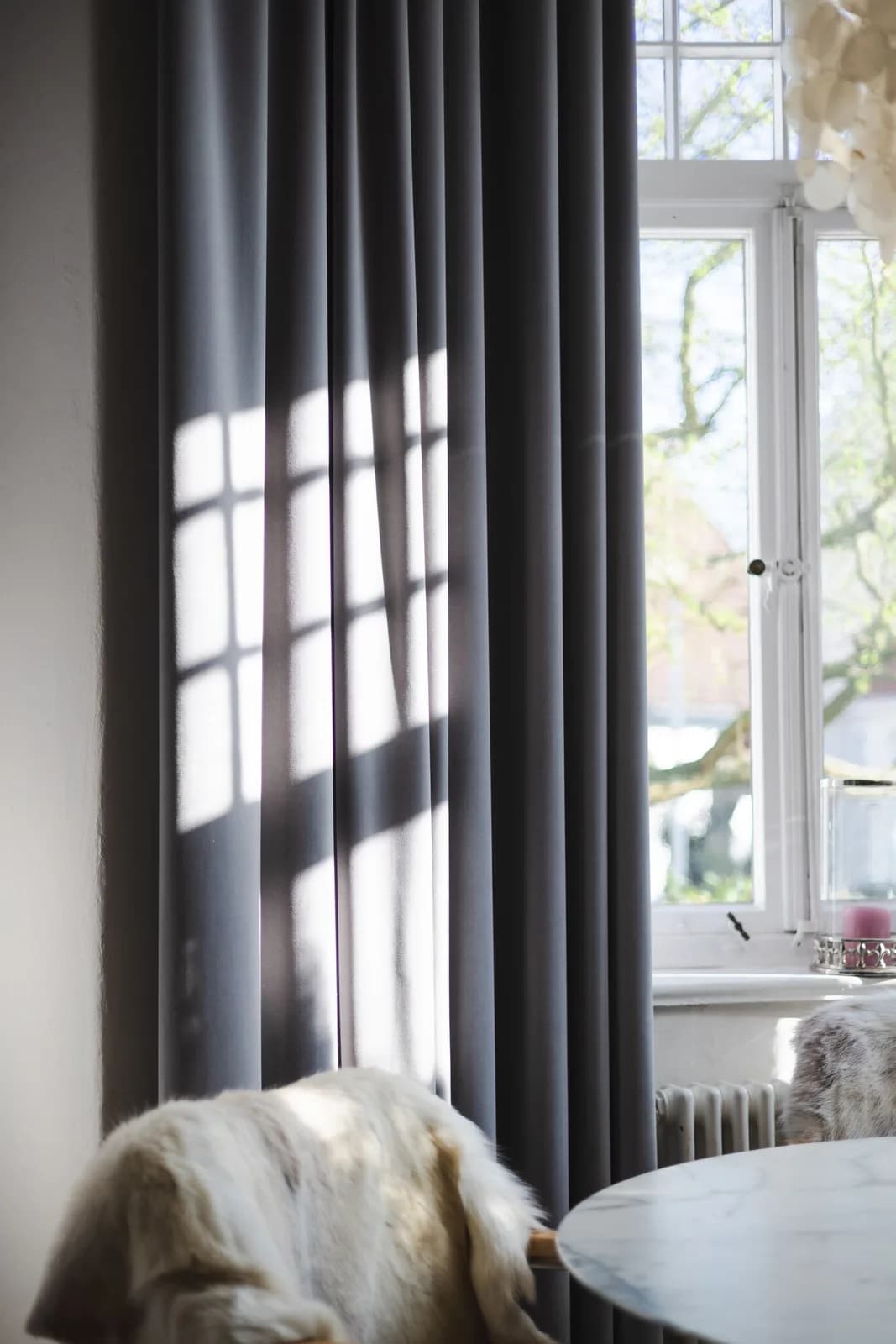
Internal blinds improve glare and privacy but much of the solar energy has already entered through the glass. They should not be treated as the only overheating strategy for a large sunny façade.
04
Do not forget safety and thermal comfort
Floor-level and door glazing may need safety glass. Large panes also require correct thickness for wind load, and their edge conditions influence thermal performance and condensation risk.
A low Ug helps keep the interior surface comfortable in winter. Select solar and thermal properties together so a summer-focused decision does not undermine cold-weather comfort.
05
Model the whole façade before ordering
For extensive glazing, a simple overheating or energy model can compare glass and shading options before construction. Include frame sightlines and opening sections because they change both glazed area and natural ventilation potential.
LUPOL can configure glass and external shutters with made-to-measure windows. Confirm control wiring, shutter boxes and glass specification early enough to keep the façade detail thermally continuous.
The key takeaway
South-facing glazing should harvest light without locking the home into one season. Balance g-value and Lt, then add controllable external shading for a façade that adapts through the year.