
Installation · 3 min read
Layered Window Installation vs Foam-Only Fitting
Installation foam can insulate the joint, but exposed foam is not a complete long-term weather and airtightness system. Layered installation protects the joint on both sides and connects the window to the building envelope.
LUPOL editorial team · Published: 17 July 2026
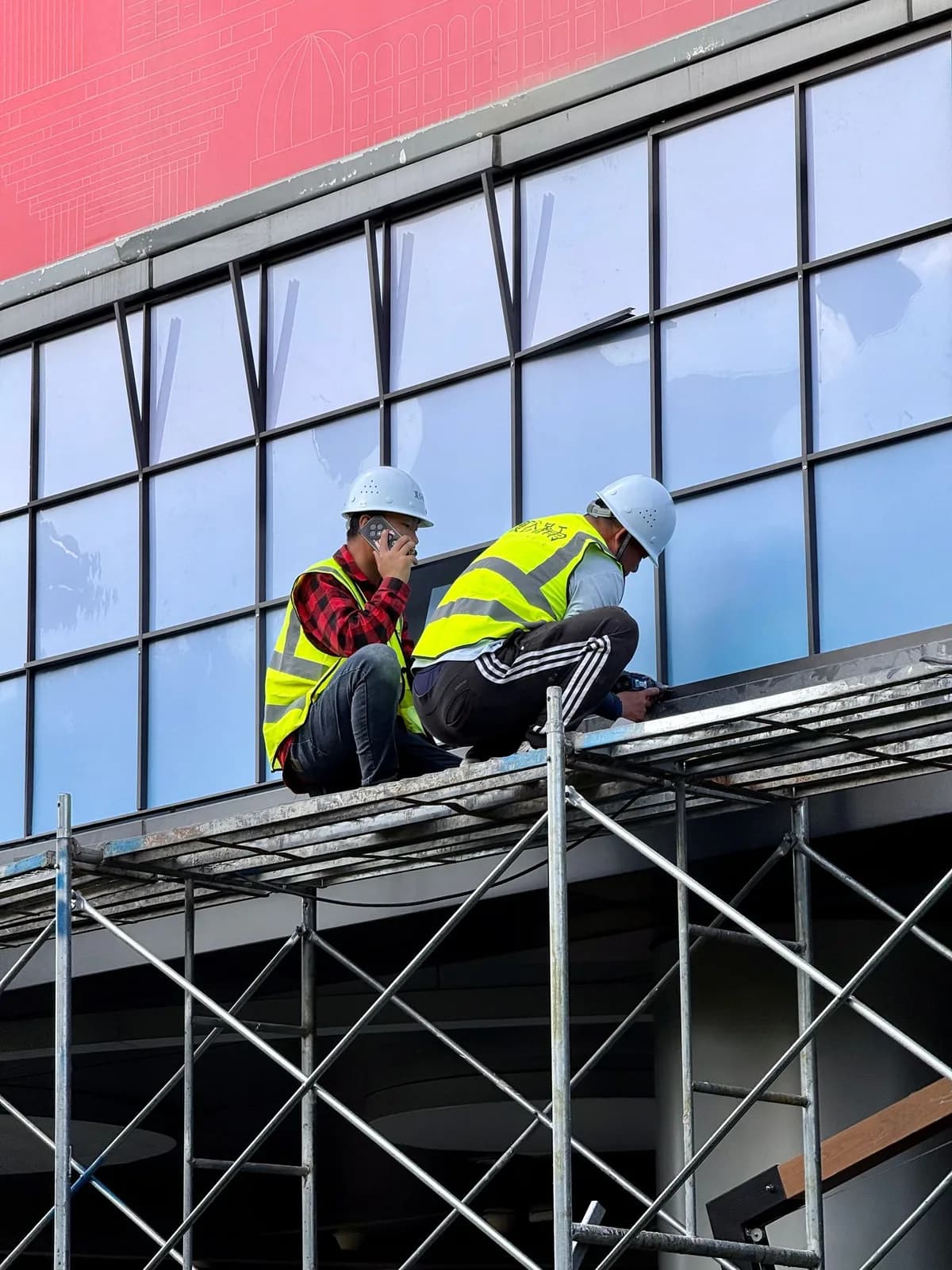
Photo: Ksenia Chernaya / Pexels · source and licence
In this article
01
What the three functional layers do
The middle layer provides thermal and acoustic insulation, commonly with suitable foam or an expanding tape. The interior layer limits warm moist indoor air entering the joint, while the exterior layer resists weather and allows appropriate outward drying.
Products and details vary, but the principle remains: more vapour-tight toward the room and weather-protected toward the outside. Manufacturer-compatible materials and clean substrates are essential.
02
Why foam alone is vulnerable
Foam can degrade when left exposed to ultraviolet light, water and repeated movement. Gaps or cut-back foam at the reveal can create air leakage and local cold spots even if the window itself has an excellent Uw.
A decorative bead of sealant is not automatically an airtight layer. The connection must remain continuous around fixings, corners, sill supports and any membranes in the wall.
03
Preparation determines whether tapes work
Layered systems require sound, level and sufficiently smooth reveals. Dusty masonry, cavities and sharp steps prevent reliable adhesion, so preparation may include repair, levelling and primer before the window arrives.
The sill zone needs particular care because it carries weight and receives rainwater. A stable thermal support and a planned external sill connection are more important than filling an unsupported void with extra foam.
04
Cost should include the whole junction
Layered installation uses more materials, planning and labour than a basic foam-only joint. Its value is protection of the insulating layer, improved air control and a clearer interface between trades, not a decorative strip of branded tape.
Compare quotations for opening preparation, fixings, supports, membranes, external weathering and internal finish. A low installation price that excludes reveal repair cannot be compared with a completed junction.
05
Inspect before the joint disappears
Photograph supports, fixings and membrane continuity before plaster and insulation cover them. Test every sash, check drainage and confirm that tapes are bonded without unplanned gaps or reverse laps.
LUPOL can agree the installation scope for made-to-measure windows after reviewing the wall and opening. Early coordination is particularly important for external insulation, shutters and low patio thresholds.
The key takeaway
A durable installation protects the insulating joint and connects it continuously to the wall. Specify preparation, supports and both sealing sides instead of judging the work by foam quantity alone.