
Window care · 3 min read
Draughty Window: Adjust, Repair or Replace?
A cold sensation near a window does not prove that the frame must be replaced. It may come from air leakage, cold glass, failed seals, poor adjustment or the wall junction, and each cause needs a different response.
LUPOL editorial team · Published: 17 July 2026
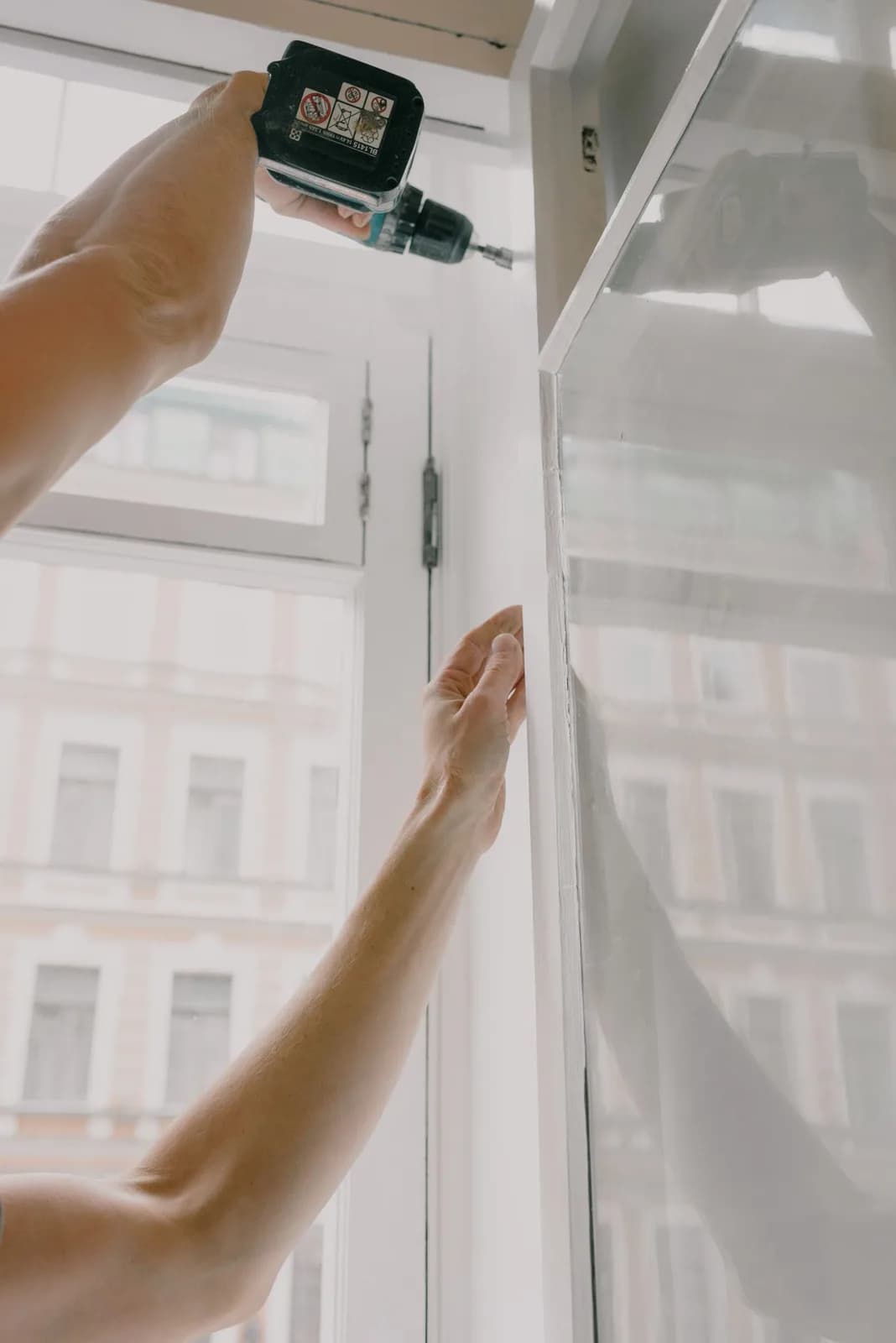
Photo: Mantas Sinkevičius / Pexels · source and licence
In this article
01
Separate a draught from radiant chill
Moving cold air can often be felt at a gasket, corner or installation joint. Radiant chill is different: the air may be still, but an occupant beside a cold glass surface loses heat toward it and feels uncomfortable.
Observe the symptom during wind and calm conditions. Safe smoke-pencil testing or a professional pressure test can locate air movement more reliably than holding a candle near curtains and seals.
02
Check simple maintenance points first
Clear frame drainage, clean contact surfaces and inspect gaskets for paint, debris, shrinkage or damage. Operate the handle slowly and note whether the sash closes evenly around the perimeter.
Do not increase gasket pressure indiscriminately. Excessive adjustment can make operation difficult, deform seals and load hardware; use the system instructions or a trained technician.
03
Repairable faults are common
Hardware can often be adjusted or worn components replaced. A failed insulating glass unit may be changed without replacing a sound frame, and compatible gaskets can sometimes be renewed after correct identification.
Timber coating defects should be treated before moisture damages the substrate. Local repair is most effective when started early rather than after widespread decay or joint movement.
04
When replacement becomes reasonable
Replacement deserves consideration when frames are structurally unsound, glazing cannot meet the needed comfort, parts are unavailable, or multiple failures make repair uneconomic. It may also form part of a coordinated insulation and ventilation upgrade.
Assess the opening and wall connection before ordering a new unit. Repeating a poor sill detail or leaving the same unsealed perimeter can reproduce the original complaint with a better window.
05
Use evidence to choose the scope
Record where water, noise or air enters and photograph any staining. A service visit should distinguish product, adjustment, glazing and installation issues and provide a proportionate recommendation.
LUPOL can review timber and uPVC windows and prepare a made-to-measure replacement quotation when repair is no longer sensible. Retaining serviceable elements is preferable when it solves the problem safely and durably.
The key takeaway
Diagnose before buying. Maintenance and targeted repair can restore many windows, while structural failure, obsolete components or inadequate performance may justify a properly detailed replacement.