
Window care · 3 min read
Why Do Windows Condense? What Each Location Means
Condensation is not one fault with one cure. Moisture on the room side, on the external surface and inside a sealed glass unit each points to a different physical condition.
LUPOL editorial team · Published: 17 July 2026
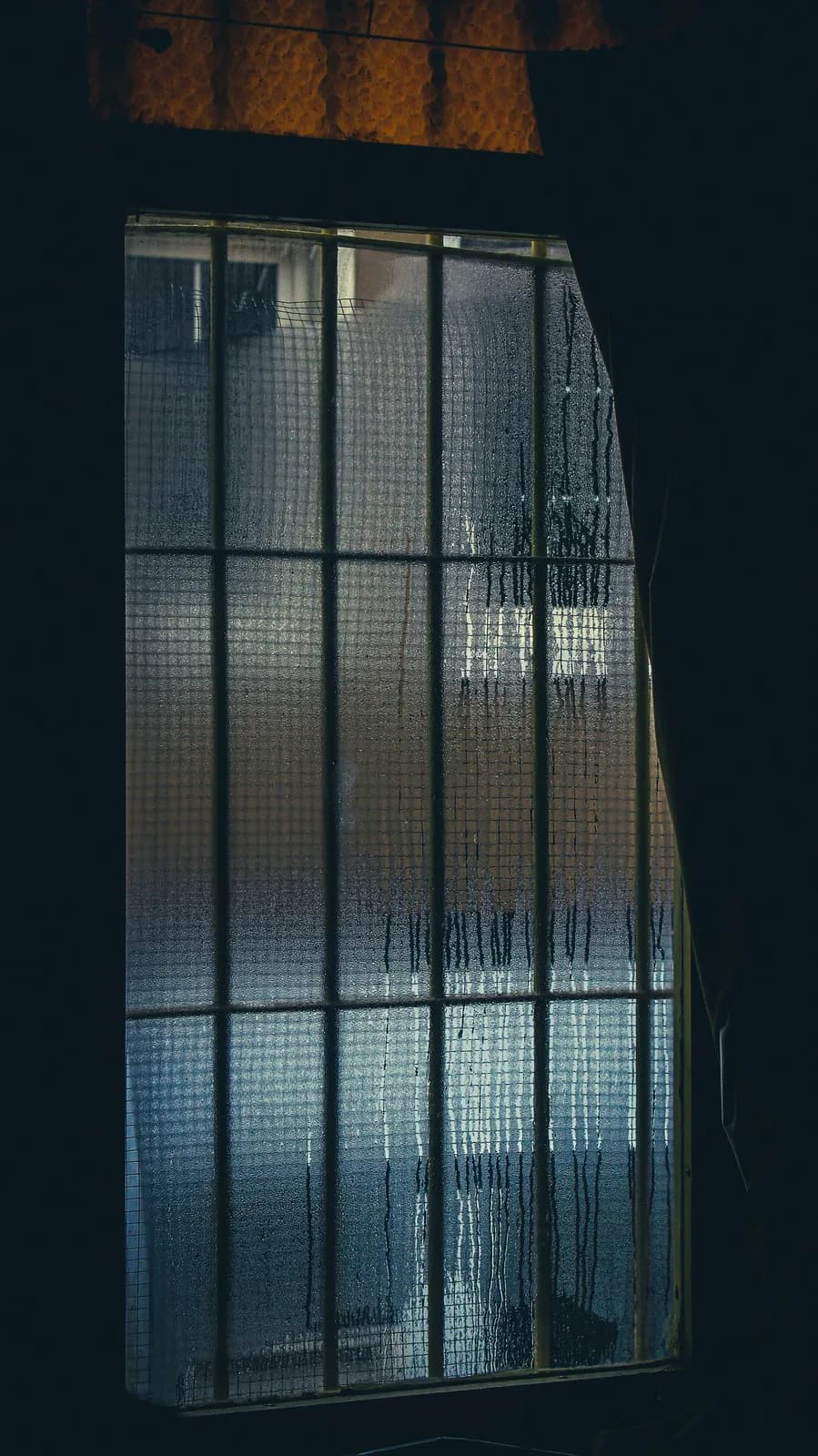
Photo: feraşin yılmaz er / Pexels · source and licence
In this article
01
Room-side condensation means warm moist air met a cold surface
Cooking, bathing, drying clothes and breathing add water vapour to indoor air. When the glass or frame surface falls below the dew point, that vapour becomes droplets. Lowering humidity or raising surface temperature changes the balance.
Persistent water at reveals can also indicate a cold bridge or air leakage around the installation. Wipe standing water promptly, record the room humidity and check whether the pattern follows the glass edge, frame or wall junction.
02
External condensation can indicate effective insulation
On clear, still mornings, the outer pane of a well-insulated unit can cool below the outdoor dew point because little room heat reaches it. Moisture may form outside and disappear after the sun or air temperature rises.
This temporary external misting is different from leakage. It is most common on exposed glass with an open view of the sky and does not normally require a repair.
03
Moisture between panes needs professional assessment
A sealed insulating glass unit should keep its cavities dry. Haze or droplets that cannot be touched from either side may mean the edge seal has failed and moisture has entered the unit.
Cleaning and ventilation cannot remove moisture trapped in the cavity. Record the glass marking and contact the supplier or service team to confirm whether the glazing unit can be replaced within the existing sash.
04
Control humidity without overcooling the home
Use extraction during cooking and bathing, keep air paths open between rooms and operate mechanical ventilation as designed. Short, effective purge ventilation is generally preferable to leaving a window slightly open for many hours in cold weather.
Avoid blocking radiators and vents with heavy curtains or furniture. A hygrometer helps relate symptoms to actual relative humidity instead of guessing from how the room feels.
05
When the window or installation should be checked
Arrange an inspection if there is water between panes, draught at the gasket, visible mould at one junction, damaged seals or recurring moisture despite controlled indoor humidity. The cause may be glazing, adjustment, ventilation or the wall connection.
LUPOL can assess timber and uPVC window symptoms and advise whether adjustment, glass replacement, installation repair or complete replacement is proportionate. Avoid sealing intentional drainage or ventilation openings as a DIY cure.
The key takeaway
Locate the moisture before choosing a remedy. Indoor condensation calls for humidity and surface-temperature checks, external misting may be normal, and moisture inside the unit needs service.