Window care · 3 min read
Airtight Windows, Ventilation and Heat Recovery
New windows reduce uncontrolled draughts, which is good for comfort and energy use. They also make the intended ventilation system more important, because stale and humid air still needs a reliable path out.
LUPOL editorial team · Published: 17 July 2026
Photo: Hassan Bouamoud / Pexels · source and licence
In this article
01
A draught is not a ventilation strategy
Old leakage paths provide unpredictable air change driven by wind and temperature. They can over-ventilate on a cold day and provide almost nothing in calm weather. Airtight windows allow fresh air to be managed rather than left to accidental gaps.
After replacement, a building may reveal weak extract ducts or blocked air-transfer paths that were previously masked by leakage. The remedy is to restore a designed ventilation route, not to damage new seals.
02
Match windows to the ventilation system
Homes with natural extract may require appropriately sized air inlets, subject to the building design and local rules. Mechanical extract systems need planned supply air, while balanced heat-recovery ventilation normally relies on a continuous airtight envelope and dedicated ducts.
Do not add trickle vents automatically to a heat-recovery design or omit them automatically from a naturally ventilated home. The project designer should confirm the intended air path room by room.
03
Humidity is a useful diagnostic signal
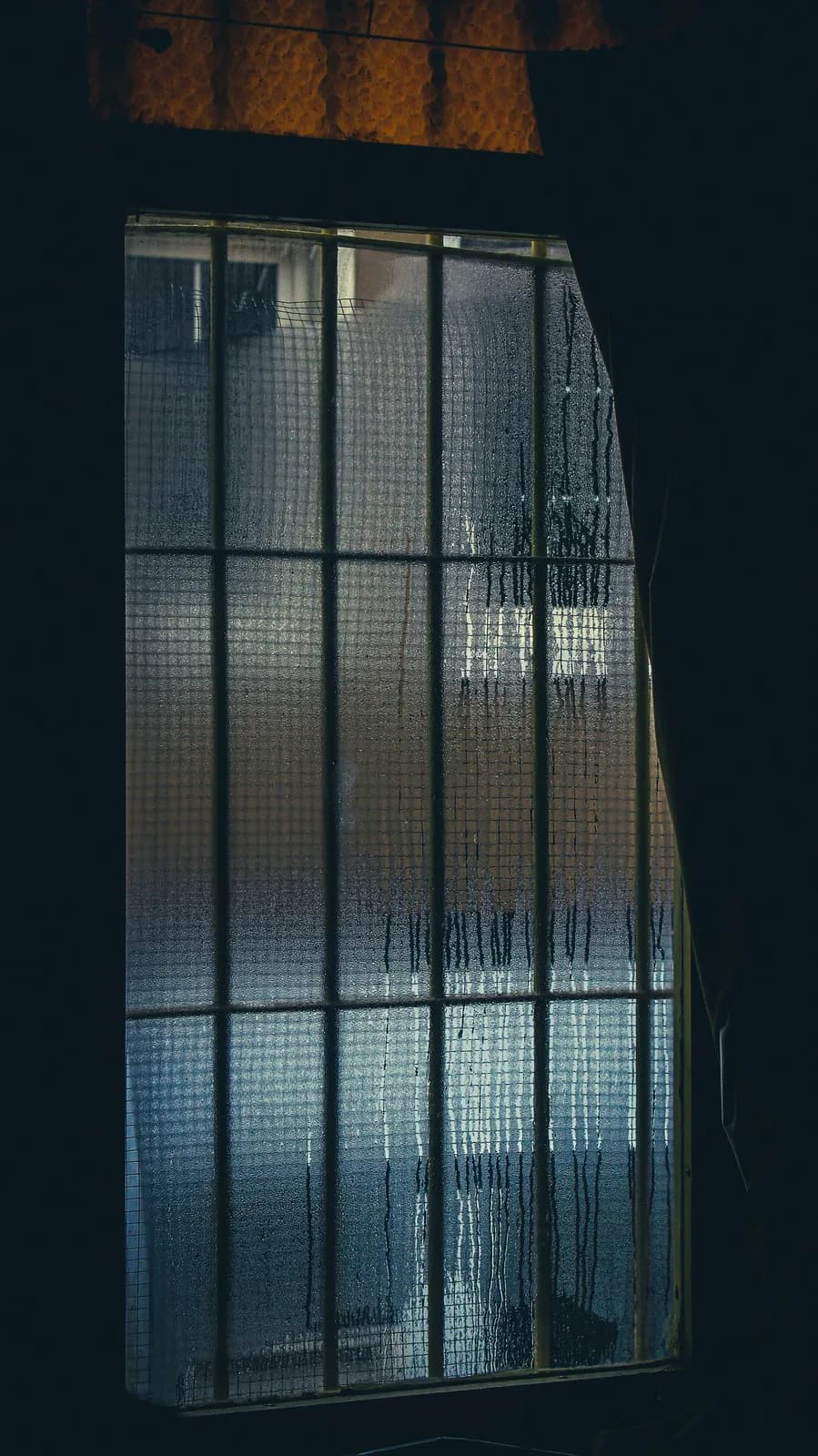
Cooking, showers, plants and laundry create moisture. Persistent high relative humidity increases the chance of condensation on cold surfaces and supports mould growth, particularly behind furniture and at thermal bridges.
Use a simple hygrometer and observe trends rather than one reading. Extraction should respond to moisture peaks, and occupants should understand boost settings, filter maintenance and the purpose of internal door undercuts or transfer grilles.
04
Window opening still has a role
Even with mechanical ventilation, opening windows provides rapid purge ventilation after painting, cooking incidents or gatherings. It is also a valuable occupant comfort choice in mild weather.
Leaving a sash tilted all day in winter can cool the reveal and waste heat. Short, deliberate opening is usually more effective, while the background system handles normal continuous air quality.
05
Coordinate replacement before installation day
Before ordering, identify extract points, existing vents and any planned heat-recovery upgrade. Ask how acoustic requirements, roller shutters and air inlets interact, because each opening through the envelope can affect another performance target.
LUPOL can provide airtight made-to-measure windows and appropriate opening functions, but the building's ventilation rate must be established as part of the wider design. Commission and maintain the system after the windows are fitted.
The key takeaway
Airtightness and fresh air are compatible when air follows a designed route. Confirm the ventilation strategy before replacement and teach occupants how to operate both windows and ventilation controls.