Summer comfort · 6 min read
Should You Open Windows in a Heatwave? When to Air and When to Close Them
The useful rule is simple: open windows when the air outside is cooler than the air indoors, and close them when it is hotter. Applying that rule well requires shade, timing, safe ventilation and extra care for anyone vulnerable to heat.
LUPOL editorial team · Published: 26 July 2026
Photo: Daniil Kondrashin / Pexels · source and licence
In this article
- 01Use temperature, not the clock, as your first signal
- 02Close the home before hotter air and direct sun arrive
- 03Ventilate decisively when the outside air becomes cooler
- 04Treat shading, glass and shutters as one summer strategy
- 05Health and safety overrule the energy routine
- 06Make a heatwave plan before the hottest afternoon
01
Use temperature, not the clock, as your first signal
Advice to keep windows either permanently open or permanently closed misses the point. An open window exchanges indoor air with outdoor air. That helps when the incoming air is cooler, but it can warm the building when the outdoor temperature has already climbed above the temperature inside. A small indoor and outdoor thermometer removes much of the guesswork.
Conditions also differ by elevation. A shaded north-facing opening may receive cooler air while a west-facing room is still absorbing late-afternoon sun. Compare temperatures in the rooms that overheat, not only a weather-app reading taken elsewhere. Humidity, wind, urban heat and an upper-floor roof can all change how the same outdoor temperature feels indoors.
02
Close the home before hotter air and direct sun arrive
Once outdoor air becomes warmer, close windows and external doors that would draw that heat inside. Close internal doors to very hot rooms if this helps protect a cooler bedroom or living space. This is not about making the building airtight for an entire day; it is about avoiding uncontrolled heat exchange during the hottest period while retaining a planned route for essential fresh air.
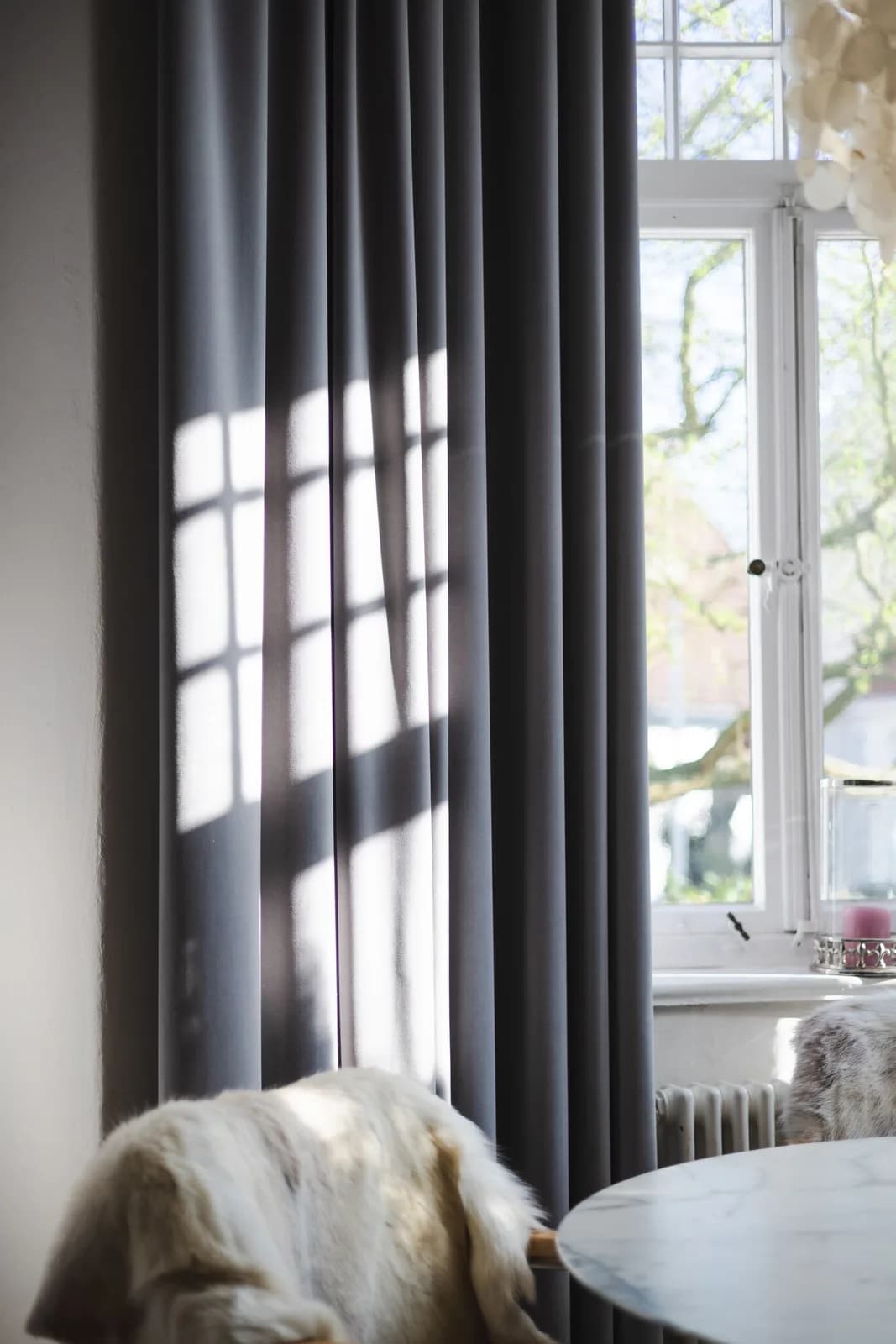
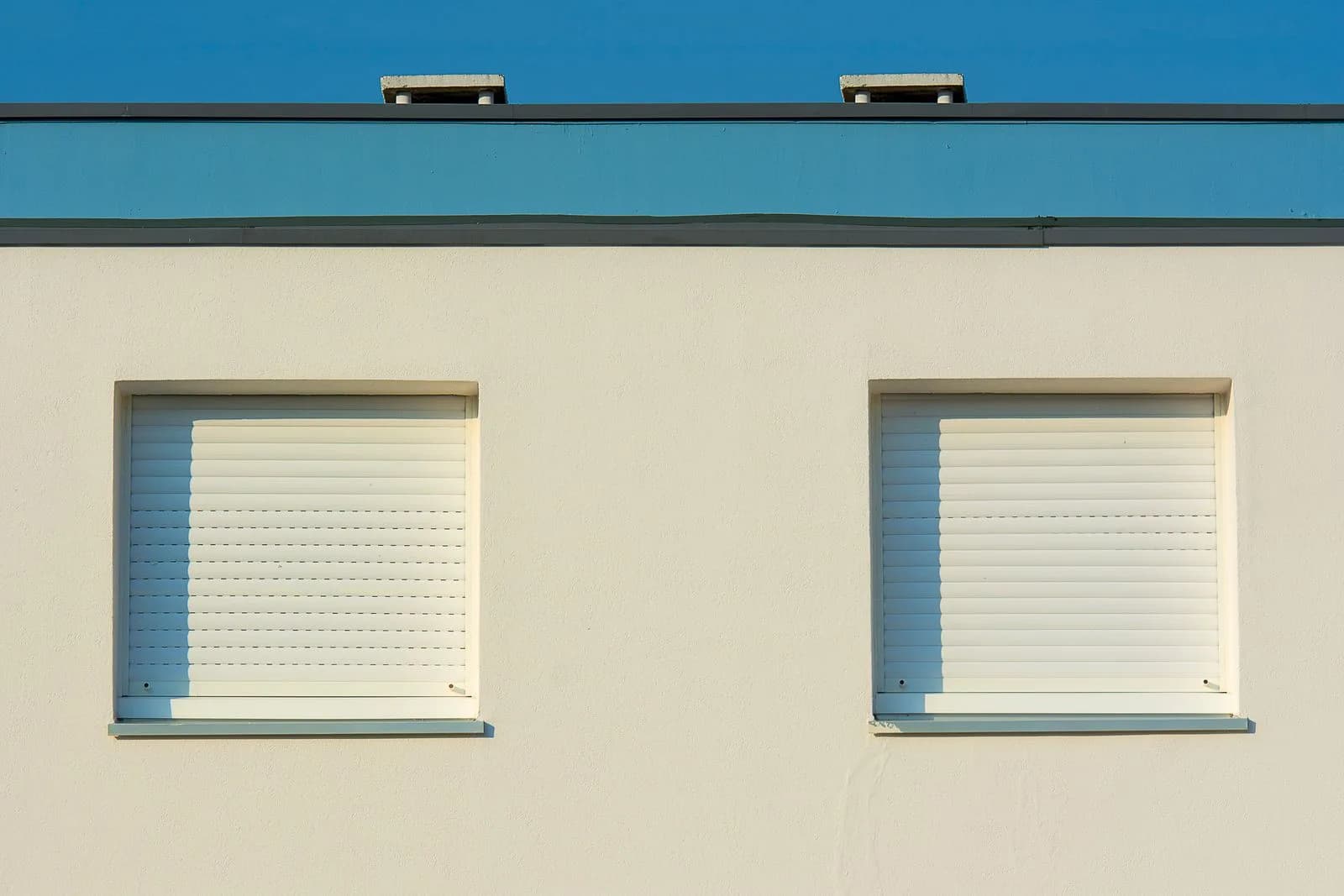
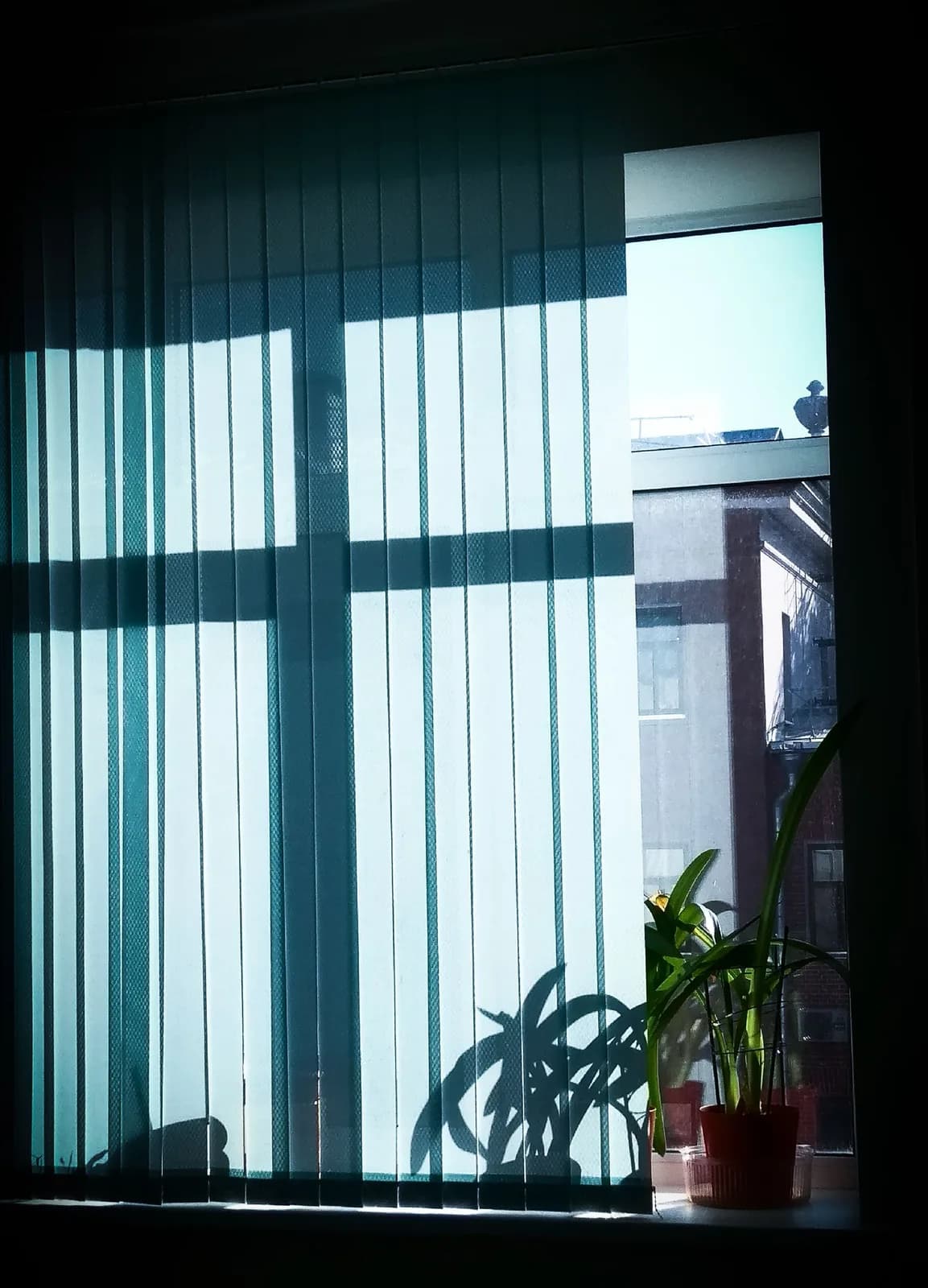
Solar radiation can matter even more than air temperature. Shade sun-facing glazing before the glass and interior surfaces heat up. External roller shutters, awnings and external blinds intercept energy outside the glazing and are normally more effective than a curtain alone. Internal blinds and curtains still help, especially where no external shade exists, but the glass has already admitted part of the solar gain.
03
Ventilate decisively when the outside air becomes cooler
Night-time and early-morning ventilation can release heat stored in walls, floors and furniture. Open more than one secure opening where possible to create a cross-flow, and open them wider for a shorter purge rather than relying only on a permanently tilted sash. A staircase or high-level opening can help warm air escape, but every arrangement must remain safe for children, pets and occupants.
Do not follow a fixed hour blindly. In a dense town, the outdoor temperature may remain high long after sunset; in a quieter rural location it may fall sooner. Check the actual temperature and close the windows again before the next hot spell. Where outdoor noise, pollution or security makes wide opening impractical, mechanical ventilation, suitable night vents or active cooling may be needed instead.
04
Treat shading, glass and shutters as one summer strategy
Window area, orientation and the glazing solar factor influence overheating, but no single pane specification solves every room. Large south- or west-facing glazing can benefit from a deliberate combination of solar-control glass, roof overhangs or external shading. The design should preserve useful winter daylight and heat rather than turning every elevation into the same heavily shaded solution.
Roller shutters add flexible control because occupants can lower them before peak sun and raise them once the façade is shaded. Perforated or partly open positions may retain some daylight, subject to the system instructions. Automating by time, sunlight or indoor temperature can improve consistency, although local manual control and safe obstacle behaviour remain essential.
05
Health and safety overrule the energy routine
WHO Europe warned on 30 June 2026 that heatwaves in the region are recurring, stronger and longer-lasting health crises. Its practical advice included keeping blinds and curtains closed during the day and opening windows at night when temperatures fall, alongside hydration, avoiding midday heat and checking on older relatives and neighbours. Those actions belong together; window operation is only one part of heat protection.
If a room does not cool, an occupant feels unwell, or local health authorities issue stronger advice, seek a cooler place and follow official guidance. Older people, infants and people with some health conditions may need help sooner. Fans are not a substitute for medical advice or effective cooling in every circumstance. This article explains building operation and does not replace public-health or clinical guidance.
06
Make a heatwave plan before the hottest afternoon
Eurostat reported on 8 July 2026 that EU household energy use for space cooling reached 80.4 thousand terajoules in 2024, roughly double the 2018 total. That does not mean households should avoid cooling when health requires it. It does show why passive measures, sensible controls and efficient equipment deserve to be planned together rather than improvised during an emergency.
Write a simple household routine: which façades are shaded first, which openings provide secure cross-ventilation, where the coolest room is and who checks vulnerable occupants. Service shutters before summer, test controls and keep window restrictors usable. If replacing windows, discuss solar gain, opening area, external shading and ventilation at the same time; a low heat-loss value alone does not guarantee summer comfort.
The key takeaway
During a heatwave, close and shade the building while outside is hotter, then ventilate when cooler air is genuinely available. Measure rather than guess, plan safe night cooling and put health advice ahead of energy-saving routines.